Introduction: Your Procurement Office is in Your Pocket
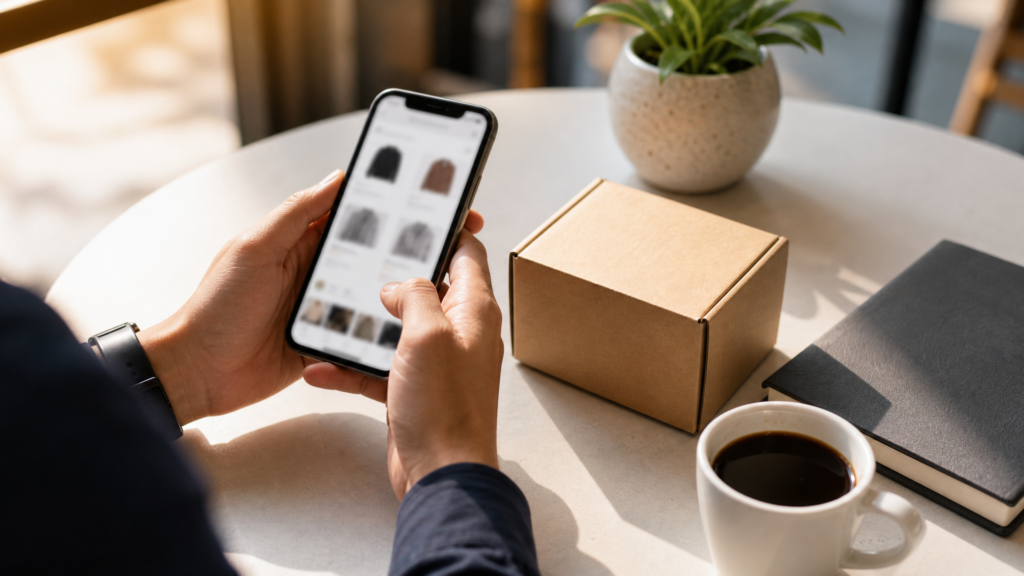
Gone are the days when sourcing products for an e-commerce business required a flight to a trade fair or a high-end desktop setup. In 2026, the global supply chain is fully mobile. Whether you are looking for trending gadgets on TikTok Shop, eco-friendly apparel on Alibaba, or local handmade goods, you can vet suppliers, negotiate prices, and order samples while sitting on a train.
Successful sourcing isn’t just about finding a cheap product; it’s about finding a reliable partner. In this guide, we show you the exact step-by-step process to build a supply chain using nothing but your smartphone.
Affiliate disclosure: This post contains affiliate links. If you make a purchase through one of these links, ProBusinessStrategy may earn a small commission at no extra cost to you. We only recommend tools we genuinely believe in.
1. The “Mobile-First” Sourcing Mindset
Sourcing on a phone requires a different approach than a laptop. You need to leverage apps that offer real-time notifications and direct chat features.
- Speed is your advantage: Being able to respond to a supplier’s quote in minutes instead of hours can be the difference between securing a deal and losing out to a competitor.
- Internal Link: To handle these rapid transactions, make sure you have your Finances & Business Banking sorted on your phone first.
2. The Best Apps for Global Sourcing in 2026
A. Alibaba & AliExpress Mobile
The giants of global sourcing. Their 2026 apps feature AI-driven image search.
- Pro Tip: Take a photo of any interesting product you see in a physical store, upload it to the Alibaba app, and find the direct manufacturer in seconds.
- The “Chat” Feature: Use the built-in translator within the app to communicate with Chinese factories without language barriers.
B. Faire (for Local & Wholesale)
If you want unique, high-quality products from local makers, Faire is the mobile standard.
- Why for Phone: Their app allows you to browse thousands of independent brands and order inventory with “net-60” payment terms, which is great for cash flow management.
C. TikTok Shop & Pinterest
In 2026, these are not just social media apps; they are sourcing research tools. Use them to see what is currently “viral” before you even talk to a supplier.
3. Vetting Suppliers via Smartphone
Don’t get scammed. Use these mobile checks:
- Video Factory Tours: Before ordering 500 units, ask the supplier for a quick video call via WhatsApp or the Alibaba app. If they refuse to show the factory or warehouse live, walk away.
- Verified Badges: Only deal with “Gold” or “Verified” suppliers with at least 3 years of history on the platform.
- Internal Link: Sourcing is only step one; see our Dropshipping Guide for how to move these products.
4. Quality Control from a Distance
You don’t need to touch the product to verify it.
- Hire Mobile Inspection Services: Apps like QIMA allow you to hire a local inspector to visit a factory and send an inspection report (with photos and videos) directly to your phone.
- Order Samples First: Never skip the sample phase. Use mobile payment methods like Apple Pay or PayPal for buyer protection.
5. Managing Global Shipping on Your Screen
Handling logistics as a mobile entrepreneur means tracking everything.
- Freight Forwarder Apps: Use apps like Flexport or Freightos to compare shipping rates and track containers from the factory to your door (or your fulfillment center).
- Customs & Duties: Ensure you have an EORI or Tax ID stored in your Notion Dashboard for quick reference during customs clearance.
6. Conclusion: Build Your Empire from Anywhere
Sourcing products with your phone is no longer a “side hustle” technique; it is a professional strategy. By mastering the apps and vetting processes outlined here, you can build a global brand without ever owning a desk.
Action Step: Ready to start selling? Check our guide on the Best Apps to Start a Business on Your Phone to find the right storefront for your new products.