Pre-Owned Luxury Goods: How to Build a Trusted Designer Resale Business in 2026
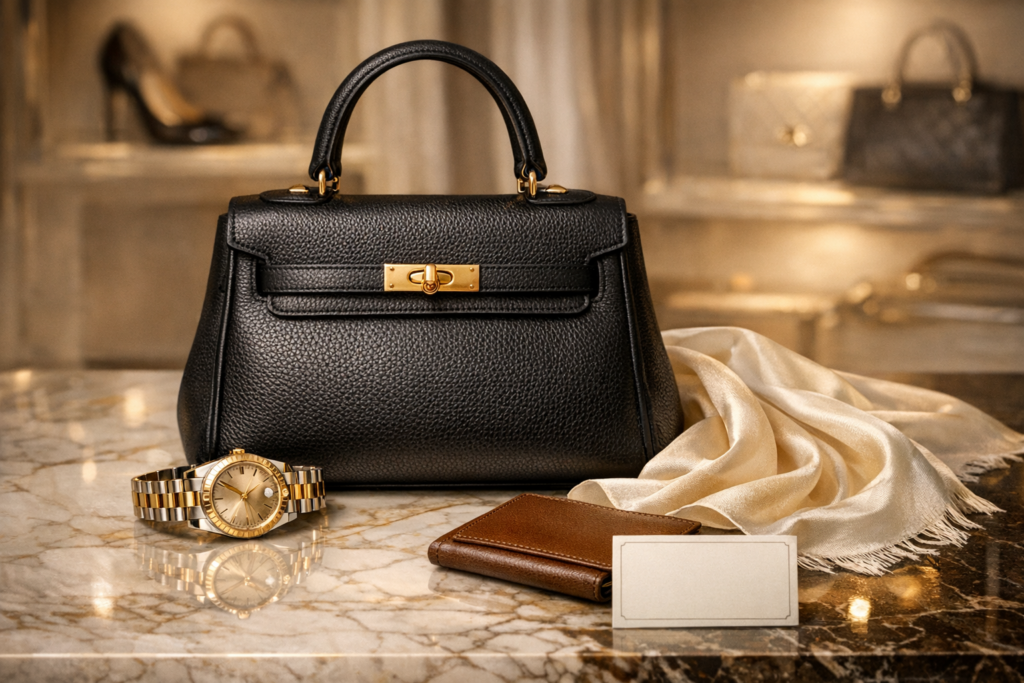
Pre-owned luxury goods are previously owned designer products that still hold significant value. This can include handbags, watches, jewelry, shoes, scarves, sunglasses, leather accessories, and rare fashion pieces from premium brands.
In simple terms, it is the resale market for luxury products.
But unlike ordinary secondhand items, pre-owned luxury goods are purchased for more than utility. Buyers are often looking for status, craftsmanship, investment value, limited availability, timeless design, or access to brands that may be too expensive at full retail price.
That is why the pre-owned luxury market has become one of the most interesting e-commerce opportunities in 2026.
Customers are more comfortable buying expensive items online than ever before, but they also expect strong proof. They want to know the item is authentic, accurately described, fairly priced, safely shipped, and backed by a trustworthy seller.
This business is not about selling random used items.
It is about building a trusted designer resale brand.
Affiliate disclosure: This guide may contain affiliate links. If you purchase through them, ProBusinessStrategy may earn a commission at no extra cost to you. We only recommend tools we believe are genuinely useful for beginners and serious builders.
Why Pre-Owned Luxury Goods Are a Strong Business in 2026
Luxury resale has grown because consumer behavior has changed.
More people want high-quality products, but they also want better value, sustainability, and smarter purchasing decisions.
Luxury products retain value
Many ordinary products lose most of their value after purchase.
Luxury goods are different.
Some designer handbags, watches, jewelry pieces, and limited-edition items may retain strong resale value. In certain cases, rare or highly desirable products may even increase in value over time.
That makes luxury resale attractive to buyers who see these items not only as fashion purchases, but also as valuable assets.
Buyers want access to premium brands
Not every customer wants to pay full retail price for a new designer item.
Pre-owned luxury gives buyers access to:
- iconic designer handbags
- premium watches
- luxury jewelry
- rare scarves
- discontinued styles
- vintage designer fashion
- limited-edition pieces
For many shoppers, resale is the most practical way to own luxury.
Sustainability supports resale
Luxury resale fits the circular economy.
Instead of producing new items, resale extends the life of existing products. This appeals to customers who want quality but also care about reducing waste.
This connects naturally with other resale models like vintage clothing resale and refurbished tech.
High average order values
Pre-owned luxury can generate significantly higher order values than many beginner e-commerce niches.
Examples:
- designer scarf: $100–$400
- luxury sunglasses: $150–$600
- designer handbag: $500–$5,000+
- luxury watch: $1,000–$20,000+
- fine jewelry: $300–$10,000+
Higher order values can mean strong revenue potential, but they also require professionalism, authentication, secure payment handling, and careful shipping.
Choosing Your Pre-Owned Luxury Niche
Do not try to sell every type of luxury product at once.
Start with one category you can understand deeply.
Designer handbags
Designer handbags are one of the strongest luxury resale categories.
Common examples:
- tote bags
- shoulder bags
- crossbody bags
- clutches
- mini bags
- vintage designer bags
- limited-edition releases
Buyers care about:
- brand
- model
- material
- condition
- hardware
- stitching
- date codes or serial details
- dust bag or box
- proof of authenticity
Handbags can be a good entry point because demand is broad, but authentication is essential.
Luxury watches
Watches can be highly profitable but also more technical.
Buyers care about:
- brand
- model
- reference number
- movement
- service history
- box and papers
- condition
- originality
- bracelet size
- authenticity
This niche requires more expertise and may involve higher capital.
Designer jewelry
Pre-owned designer jewelry can include:
- bracelets
- necklaces
- earrings
- rings
- charms
- brooches
- fine jewelry
- branded silver or gold pieces
Authentication, metal content, stone details, and condition are important.
This niche connects well with bespoke jewelry, but the business model is different because you are reselling branded luxury pieces.
Luxury accessories
Accessories can be more beginner-friendly than high-ticket handbags or watches.
Examples:
- scarves
- belts
- sunglasses
- cardholders
- wallets
- key holders
- small leather goods
These items can still carry strong margins while requiring less upfront capital than watches or handbags.
Vintage designer fashion
This overlaps with vintage clothing resale, but focuses on high-end labels.
Examples:
- designer coats
- archival runway pieces
- vintage blazers
- silk dresses
- luxury knitwear
- rare designer shoes
This niche is strong for fashion-focused sellers with styling knowledge.
Business Models for Pre-Owned Luxury
Model 1: Buy and resell inventory
You purchase luxury items, authenticate them, photograph them, and resell them at a margin.
Pros:
- full control over inventory
- higher margin potential
- strong brand consistency
- faster fulfillment
Cons:
- requires capital
- authentication risk
- inventory may move slowly
- high-value storage needed
This model works best when you understand pricing and can buy below market value.
Model 2: Consignment
In a consignment model, owners send you items to sell. You only pay them after the item sells, keeping a commission.
Pros:
- lower inventory cost
- larger product selection
- less capital tied up
- scalable supply
Cons:
- more administration
- trust required from sellers
- item custody responsibility
- commission structure needed
Consignment can be excellent once your brand has credibility.
Model 3: Authentication-first marketplace
You position your brand as a trusted platform that authenticates and lists items from approved sellers.
Pros:
- scalable
- trust-based
- strong positioning
- potential marketplace model
Cons:
- more complex operations
- higher customer service needs
- authentication process must be very strong
This is more advanced, but it can become powerful.
Model 4: Content and affiliate model
You can also build a content site around luxury resale without holding inventory.
Examples:
- best pre-owned designer bags
- how to authenticate luxury handbags
- best luxury resale sites
- pre-owned watches for beginners
- luxury resale investment guide
This model earns through affiliate links, partnerships, and referrals.
Sourcing Pre-Owned Luxury Goods
Sourcing is where profit begins.
Local sellers
You can buy from:
- private sellers
- estate sales
- local luxury owners
- fashion collectors
- consignment clients
- community groups
Always verify authenticity before paying premium prices.
Estate sales and auctions
Estate sales can be strong sources for:
- watches
- jewelry
- scarves
- handbags
- vintage designer fashion
Auctions require discipline. Set a maximum bid and do not let emotion drive your purchase.
Luxury consignment partnerships
Build relationships with:
- stylists
- wardrobe consultants
- estate organizers
- local boutiques
- personal shoppers
- affluent communities
These people may know owners who want to sell.
Online marketplaces
You can source online, but risk is higher.
Possible sources:
- eBay
- Vestiaire-style marketplaces
- local classifieds
- auction platforms
- resale communities
Always factor in authentication costs and return risk.
Authentication: The Foundation of Trust
Authentication is the most important part of this business.
A single fake item can damage your reputation.
Use professional authentication
For expensive items, use reputable third-party authentication services.
This can apply to:
- handbags
- watches
- jewelry
- sneakers
- designer accessories
Do not rely only on your own judgment when starting.
Learn brand-specific details
Each luxury category has different authenticity indicators.
For handbags:
- stitching
- hardware
- leather quality
- logo placement
- interior lining
- serial numbers
- date codes
- heat stamps
- zippers
- dust bags
- packaging
For watches:
- movement
- reference number
- case finishing
- dial details
- bracelet
- weight
- engraving
- service history
- box and papers
For jewelry:
- hallmarks
- metal stamps
- stone settings
- weight
- brand markings
- clasp quality
- receipts or certificates
Keep documentation
For every item, keep:
- purchase source
- authentication report
- photos
- condition notes
- serial/reference details where appropriate
- repair or service records
- sale record
Documentation protects your business.
Grading Condition Clearly
Luxury buyers expect detailed condition descriptions.
Use consistent grading.
Example condition scale
Pristine: Like new, no visible signs of use
Excellent: Minimal signs of wear
Very Good: Light visible wear but well maintained
Good: Noticeable wear, still attractive and functional
Fair: Heavy wear, priced accordingly
For Repair: Needs professional repair or restoration
Describe flaws honestly
Mention:
- scratches
- scuffs
- corner wear
- tarnishing
- leather creasing
- odor
- stains
- missing accessories
- hardware fading
- strap wear
- loose stitching
Honesty reduces returns and increases buyer trust.
Pricing Pre-Owned Luxury Goods
Pricing luxury resale requires research.
Factors that affect price
- brand
- model
- rarity
- condition
- color
- material
- age
- accessories
- authentication
- market demand
- retail price
- comparable sold listings
Simple pricing formula
Retail Price=Acquisition Cost+Authentication+Cleaning/Repair+Fees+Shipping/Insurance+ProfitRetail\ Price = Acquisition\ Cost + Authentication + Cleaning/Repair + Fees + Shipping/Insurance + ProfitRetail Price=Acquisition Cost+Authentication+Cleaning/Repair+Fees+Shipping/Insurance+Profit
Example:
If you buy a designer handbag for $650 and spend:
- authentication: $35
- cleaning: $40
- platform fees: $120
- insured shipping: $45
- desired profit: $310
Then:
650+35+40+120+45+310=1200650 + 35 + 40 + 120 + 45 + 310 = 1200650+35+40+120+45+310=1200
A retail price around $1,150–$1,250 may make sense depending on comparable sold listings.
Sold listings matter
Do not price only from active listings.
Active listings show asking prices.
Sold listings show real market value.
Photography for Luxury Resale
Luxury resale depends heavily on visual trust.
Essential photos
For each item, include:
- front view
- back view
- sides
- interior
- hardware close-ups
- logo/marking close-ups
- serial or reference detail where safe
- flaw photos
- scale photo
- packaging/accessories
- authentication card or certificate if available
Keep the style premium
Use:
- soft natural light
- neutral backgrounds
- clean surfaces
- no clutter
- close-up detail shots
- consistent angles
Avoid over-editing. Buyers need accurate color and condition.
Writing Listings That Convert
A luxury listing must feel professional and complete.
Include:
- brand
- model
- material
- color
- measurements
- condition grade
- included accessories
- authentication status
- flaws
- shipping method
- return policy
Example listing structure
Pre-Owned Designer Leather Shoulder Bag — Excellent Condition
A timeless designer shoulder bag crafted from black leather with gold-tone hardware. This piece has been professionally authenticated and carefully inspected.
- Brand: Designer brand
- Model: Shoulder bag
- Material: Leather
- Color: Black
- Condition: Excellent
- Included: Dust bag and authentication certificate
- Notes: Minor hardware hairline scratches, visible only close-up
- Shipping: Insured and tracked
Where to Sell Pre-Owned Luxury Goods
Your own Shopify store
Best for building a long-term brand.
Advantages:
- full brand control
- better storytelling
- email list ownership
- luxury presentation
- direct customer relationship
Luxury resale marketplaces
Specialized marketplaces provide buyer trust but may have fees and seller requirements.
eBay
eBay can work for watches, handbags, and collectibles, but you need detailed listings and strong seller ratings.
Instagram can work well for curated drops, especially if your photography is premium and your audience trusts you.
Private client list
For higher-ticket items, a private buyer list can be powerful.
Send previews to VIP customers before public listing.
Shipping and Insurance
Luxury items require serious shipping standards.
Use insured shipping
Always use:
- tracking
- signature confirmation
- insurance
- secure packaging
- delivery confirmation
For high-value items, consider specialized insured carriers.
Package professionally
Luxury packaging should feel careful, not cheap.
Use:
- dust bags
- tissue paper
- sturdy boxes
- protective padding
- thank-you card
- care instructions
- authenticity documentation
Never ship luxury items in weak packaging.
Returns and Buyer Protection
Luxury resale needs clear policies.
Be transparent
State:
- return window
- condition requirements
- authentication process
- what happens if an item is disputed
- who pays return shipping
- whether tags/seals must remain attached
Use security tags
Some luxury resellers attach return-security tags to prevent wear-and-return abuse.
If tags are removed, returns may not be accepted. Make this clear before purchase.
Fraud Prevention
High-value resale has fraud risk.
Protect your business from:
- fake payment confirmations
- chargebacks
- item-swap returns
- stolen goods
- counterfeit sourcing
- shipping scams
- buyer claims of non-delivery
Basic safeguards
- verify payments before shipping
- ship only to verified addresses
- use signature confirmation
- photograph packaging process for high-value orders
- document item condition before shipping
- keep authentication records
- use insured shipping
Legal and Compliance Considerations
Pre-owned luxury resale can involve several legal areas.
Consider:
- business registration
- sales tax/VAT
- consumer protection laws
- counterfeit laws
- trademark usage in listings
- import/export restrictions
- insurance
- return policy
- consignment agreements
- anti-fraud procedures
For the broader setup, read our guide on legal and tax basics for online businesses.
If using consignment, consider a written agreement that explains:
- commission rate
- payment timing
- item responsibility
- authentication costs
- return handling
- unsold item return process
Building Trust as a New Seller
Trust is harder when you are new.
Start with lower-risk categories
Instead of immediately selling $8,000 watches, begin with:
- scarves
- wallets
- belts
- sunglasses
- small leather goods
- lower-priced handbags
Build reputation first.
Show your process
Create content around:
- how you inspect items
- packaging luxury orders
- authentication steps
- condition grading
- sourcing stories
- care tips
Transparency creates confidence.
Collect reviews
After each sale, ask for:
- product review
- store review
- packaging feedback
- photo from customer if appropriate
Social proof is crucial.
Example 30-Day Launch Plan
Days 1–5: Choose your category
Pick one:
- handbags
- watches
- jewelry
- accessories
- designer clothing
Learn the basics of that category before buying inventory.
Days 6–10: Study authentication and pricing
Research:
- common counterfeit signs
- sold listings
- condition grades
- authentication services
- platform policies
Days 11–15: Source 3–5 starter items
Start small.
Choose lower-risk items and document everything.
Days 16–20: Authenticate and prepare
Use third-party authentication when needed.
Clean and photograph each item.
Days 21–25: Build listings
Create detailed listings with:
- condition
- flaws
- measurements
- authentication
- accessories
- insured shipping
- return policy
Days 26–30: Launch and promote
Start with one platform.
Share your process on social media.
Build an email waitlist for future drops.
Scaling a Pre-Owned Luxury Goods Business
Once you have proof of demand, scale carefully.
Add consignment
Consignment can increase inventory without tying up too much capital.
Build a VIP buyer list
For luxury, private access works well.
Offer:
- early previews
- wish list sourcing
- private drops
- appointment-based shopping
- personal sourcing requests
Offer sourcing services
Customers may request specific items.
Example:
- “Find me a black designer tote under $1,500”
- “Source a vintage gold watch”
- “Find a classic luxury scarf in excellent condition”
You can charge a sourcing fee or build margin into the sale.
Add care products and accessories
Upsells can include:
- leather care kits
- watch storage boxes
- jewelry organizers
- handbag inserts
- dust bags
- authentication services
Common Mistakes to Avoid
Mistake 1: Buying without authentication
This is the biggest risk.
Mistake 2: Underestimating fees
Luxury items often have high platform fees, payment fees, insurance costs, and return risks.
Mistake 3: Weak photos
Luxury buyers expect detail.
Mistake 4: Hiding flaws
Flaws must be disclosed clearly.
Mistake 5: Selling too many categories too soon
Specialize first.
Mistake 6: No fraud protection
High-value products require careful transaction procedures.
Final Thoughts
Pre-Owned Luxury Goods is one of the most premium resale opportunities in e-commerce, but it is not a casual business.
It requires trust, patience, authentication, documentation, excellent photography, clear communication, and careful shipping.
The reward is that customers are willing to pay serious money for authenticated designer products that feel special, timeless, and valuable.
Start small. Choose one category. Learn authentication. Document every item. Be transparent about condition. Use insured shipping. Build trust one sale at a time.
If you do that well, you are not just selling secondhand luxury.
You are helping customers buy premium pieces with confidence.
Suggested next reads