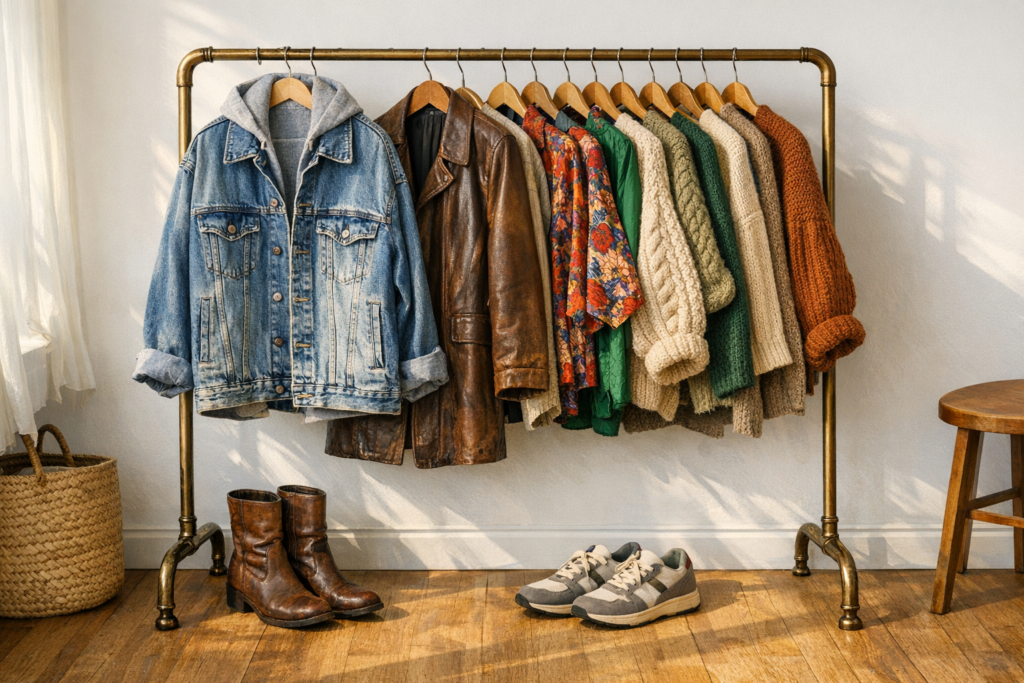
Vintage Clothing Resale: How to Build a Curated Fashion Brand in 2026
Vintage clothing is no longer just about buying old clothes and reselling them for a small profit. In 2026, vintage fashion has become a serious e-commerce opportunity powered by sustainability, individuality, nostalgia, and social media.
Consumers are increasingly tired of fast fashion. They want clothing with character, better quality, unique cuts, rare labels, and a story behind each piece. At the same time, younger buyers are comfortable shopping secondhand online through platforms like Depop, Vinted, eBay, Etsy, Instagram, TikTok Shop, and independent Shopify stores.
That makes Vintage Clothing Resale one of the most accessible e-commerce businesses to start.
You do not need a warehouse. You do not need a fashion degree. You do not need thousands of dollars in inventory. You can start with a small curated rack of pieces, photograph them well, list them online, and use your phone to manage sourcing, sales, customer communication, and marketing.
The key is not simply selling used clothing.
The key is building a curated fashion brand.
Affiliate disclosure: This guide may contain affiliate links. If you purchase through them, ProBusinessStrategy may earn a commission at no extra cost to you. We only recommend tools we believe are genuinely useful for beginners and serious builders.
Why Vintage Clothing Resale Is a Strong Business in 2026
Vintage resale is growing because it fits several major consumer trends at the same time.
Sustainability is now a buying reason
Many shoppers want to reduce waste and avoid supporting fast fashion. Buying secondhand extends the life of existing clothing and reduces demand for new production.
For environmentally conscious buyers, vintage is not just stylish.
It is a statement.
This makes resale naturally aligned with sustainable e-commerce trends, similar to businesses built around eco-conscious products and circular consumption.
Individuality matters more than mass trends
Fast fashion made clothing cheap and widely available, but it also made everyone look similar.
Vintage gives shoppers:
- unique pieces
- rare patterns
- better construction
- discontinued styles
- one-of-one outfits
- nostalgic labels
- authentic personal style
For customers who want to stand out, vintage feels more personal than buying something new from a chain store.
Social media rewards visual styling
Vintage clothing performs well on visual platforms.
A single jacket, dress, pair of boots, or denim piece can become compelling content if it is styled well.
You can create:
- outfit reels
- thrift hauls
- before-and-after cleaning videos
- “how I styled this vintage blazer”
- “rare find of the week”
- “pack an order with me”
- “90s capsule wardrobe” content
This makes vintage resale a natural fit for Instagram, TikTok, Pinterest, and YouTube Shorts.
Startup costs can be low
Unlike many retail businesses, you can begin small.
Possible starting inventory:
- 10 curated items
- one clothing rack
- a phone camera
- natural light
- basic shipping supplies
- a steamer
- a measuring tape
You can reinvest profits into better inventory over time.
Choosing Your Vintage Resale Niche
The biggest mistake beginners make is buying random secondhand clothing.
A strong vintage resale business needs a point of view.
Your niche tells buyers what kind of store they are entering.
90s and Y2K fashion
This remains one of the strongest resale categories.
Examples:
- low-rise denim
- baby tees
- cargo pants
- cropped cardigans
- mini bags
- vintage sportswear
- early 2000s graphic tops
This niche is popular with Gen Z and younger millennials.
Vintage workwear
Workwear is durable, practical, and timeless.
Examples:
- denim jackets
- chore coats
- carpenter pants
- utility shirts
- canvas jackets
- leather boots
- military-inspired pieces
This niche works well for buyers who like rugged, functional fashion.
Designer vintage
Designer resale can be profitable but requires stronger authentication knowledge.
Examples:
- vintage handbags
- silk scarves
- luxury blazers
- archival designer pieces
- leather goods
- statement coats
This category can bring higher margins but also higher risk.
Streetwear and sportswear
Vintage sportswear has strong demand.
Examples:
- varsity jackets
- old team apparel
- vintage sweatshirts
- track jackets
- football shirts
- basketball jerseys
- branded windbreakers
Buyers often search for nostalgia, teams, eras, and specific styles.
Feminine romantic vintage
This niche can perform beautifully on Pinterest and Instagram.
Examples:
- floral dresses
- lace blouses
- silk camisoles
- embroidered cardigans
- vintage skirts
- soft knitwear
- cottagecore pieces
The aesthetic matters as much as the garment.
Plus-size vintage
This is underserved and can become a powerful brand position.
Many vintage sellers overlook inclusive sizing. If you curate stylish secondhand clothing in extended sizes, you can build a loyal audience.
Where to Source Vintage Clothing
Sourcing is the engine of this business.
Your profit depends on buying well.
Thrift stores
Thrift stores are the most obvious starting point.
Look for:
- quality fabrics
- strong labels
- good condition
- unique cuts
- timeless patterns
- items with resale demand
Avoid buying everything that looks “old.” Condition, style, and fit matter.
Estate sales and garage sales
These can be excellent for true vintage.
You may find:
- older wardrobes
- coats
- handbags
- accessories
- formalwear
- scarves
- jewelry
- deadstock items
Build relationships with local sellers when possible.
Flea markets
Flea markets are useful for sourcing in volume, especially if you learn which vendors have the best pieces.
Go early for the best selection.
Go late for better deals.
Online marketplaces
You can source from:
- eBay
- Facebook Marketplace
- Vinted
- Depop
- local classifieds
- auction sites
This requires more research, but you can sometimes find underpriced items from sellers who do not know the resale value.
Wholesale vintage suppliers
Once you understand your niche, you can buy in bulk from vintage wholesalers.
Pros:
- faster inventory growth
- more consistent stock
- less time hunting
Cons:
- higher upfront cost
- mixed quality
- less control
- possible duplicates
Start with smaller test lots before committing to large orders.
What Makes an Item Worth Reselling?
Not every secondhand item is profitable.
Evaluate each piece before buying.
Condition
Check for:
- stains
- holes
- broken zippers
- missing buttons
- odor
- fading
- pilling
- stretched fabric
- damaged lining
- cracked prints
Minor flaws can be acceptable if disclosed clearly. Major flaws reduce value unless the item is rare.
Fabric and construction
Better materials often sell better.
Look for:
- wool
- silk
- linen
- leather
- denim
- cotton
- cashmere
- quality knits
Check stitching, lining, buttons, and weight.
Brand and label
Labels can help, but do not rely only on brands.
Some unbranded vintage pieces sell well because of style, fit, and uniqueness.
Era and trend relevance
A 1980s blazer may sell well if oversized tailoring is trending.
A 1990s slip dress may sell well because minimalist fashion is popular.
You are not just buying old clothing.
You are buying pieces that fit current taste.
Size and measurements
Vintage sizing can be very different from modern sizing.
Always provide measurements.
Include:
- chest/bust
- waist
- hips
- shoulder width
- sleeve length
- total length
- inseam
- rise
- leg opening
Measurements reduce returns and customer uncertainty.
Cleaning, Repairing, and Preparing Inventory
Presentation matters.
A wrinkled, poorly photographed item looks cheap. A cleaned, steamed, well-styled piece looks premium.
Wash or dry clean when needed
Be careful with delicate fabrics.
Some items may require:
- hand washing
- steaming only
- spot cleaning
- professional dry cleaning
- odor removal
- fabric shaving
Make simple repairs
Basic repairs can increase value.
Examples:
- sewing buttons
- fixing loose hems
- removing pills
- replacing laces
- polishing leather
- steaming shape back into garments
Do not hide flaws. Repair what you can and disclose what remains.
Steam everything before photos
A garment steamer is one of the best early investments.
Clothes look dramatically better when properly steamed.
Pricing Vintage Clothing
Pricing should reflect more than what you paid.
Consider:
- item rarity
- brand
- condition
- era
- fabric quality
- current demand
- time spent sourcing
- cleaning and repairs
- platform fees
- shipping materials
- profit margin
Simple pricing formula
Retail Price=Cost of Item+Prep Cost+Platform Fees+Packaging+Labor+ProfitRetail\ Price = Cost\ of\ Item + Prep\ Cost + Platform\ Fees + Packaging + Labor + ProfitRetail Price=Cost of Item+Prep Cost+Platform Fees+Packaging+Labor+Profit
Example:
If you buy a vintage jacket for $18 and spend:
- $4 on cleaning
- $3 on packaging
- $6 platform fee estimate
- $12 labor/time allowance
- $35 desired profit
Then:
18+4+3+6+12+35=7818 + 4 + 3 + 6 + 12 + 35 = 7818+4+3+6+12+35=78
A listing price around $75–$85 may make sense depending on demand.
Research sold listings
Do not only look at active listings.
Look at sold listings.
Active listings show what sellers want.
Sold listings show what buyers actually pay.
Where to Sell Vintage Clothing
Depop
Depop is strong for younger fashion buyers and trend-driven vintage.
Best for:
- Y2K
- streetwear
- statement pieces
- styled outfits
- affordable vintage
Vinted
Vinted works well in many European markets and is useful for everyday secondhand fashion.
Best for:
- affordable items
- casual wear
- steady volume
- local/regional buyers
eBay
eBay has strong search intent and international reach.
Best for:
- rare items
- branded vintage
- collectibles
- sportswear
- designer pieces
- buyers searching specific terms
Etsy
Etsy still works for true vintage, especially styled and curated pieces.
Best for:
- romantic vintage
- handmade-style aesthetics
- unique garments
- accessories
- occasion wear
Instagram works well when your brand has strong visuals.
Best for:
- curated drops
- community building
- styling content
- behind-the-scenes sourcing
- brand identity
Shopify
Shopify is best when you want to build your own brand instead of relying only on marketplace algorithms.
Advantages:
- more control
- stronger branding
- email list ownership
- better customer experience
- less direct marketplace comparison
A smart path is to start on marketplaces, then build your own store once you have traction.
Product Photography for Vintage Resale
Photography can make or break your resale business.
Essential photo types
For each item, include:
- front view
- back view
- close-up fabric shot
- label shot
- flaw shot if needed
- styled outfit photo
- measurement reference
- detail shot of buttons, embroidery, print, or texture
Flat lay vs. mannequin vs. model
Each has pros and cons.
Flat lay
Easy and clean, but less clear for fit.
Mannequin
Shows shape well and is consistent.
Model
Best for conversion, especially if styling is important.
If you model items, include your height and typical size for reference.
Lighting
Natural light is usually best.
Avoid:
- dark rooms
- yellow overhead lighting
- messy backgrounds
- excessive filters
- distorted colors
Customers need to trust that the color and condition are accurate.
Writing Product Listings That Sell
A good listing is part description, part styling advice, and part trust builder.
Include:
- item type
- estimated era
- brand if known
- size on tag
- modern fit estimate
- exact measurements
- fabric/material
- condition
- flaws
- styling suggestions
- shipping details
Example listing structure
Vintage 90s Oversized Denim Jacket
A classic oversized denim jacket with a faded medium-blue wash, relaxed shape, and timeless everyday feel. Perfect styled over a white tee, slip dress, or hoodie.
- Era: estimated 1990s
- Label size: M
- Modern fit: oversized S/M or relaxed XS/S depending on desired fit
- Measurements: chest 22”, length 25”, sleeve 23”
- Condition: excellent vintage condition with light natural fading
- Flaws: no major flaws noted
Marketing a Vintage Clothing Resale Business
Create drops instead of random listings
Drops build anticipation.
Example:
- “Friday 7PM: 20-piece Y2K denim drop”
- “Sunday: romantic spring vintage collection”
- “Monthly workwear archive release”
Drops make your store feel curated.
Use styling content
Do not only show the item.
Show how to wear it.
Content ideas:
- “3 ways to style this vintage blazer”
- “one jacket, five outfits”
- “from thrift rack to styled look”
- “90s capsule wardrobe”
- “how to modernize vintage pieces”
Tell the story
Vintage buyers love story.
Mention:
- era
- texture
- fit
- possible styling use
- why the piece is special
Even when you do not know the full history, you can describe its character.
Build an email list
If you launch curated drops, email is powerful.
Send:
- drop previews
- first access
- styling guides
- seasonal edits
- restock alerts
- exclusive discount codes
Shipping and Packaging
Clothing is relatively easy to ship, but packaging still matters.
Use clean, protective packaging
Options:
- recycled mailers
- tissue paper
- thank-you cards
- care cards
- branded stickers
- garment bags for premium pieces
Packaging should feel thoughtful without becoming wasteful.
Protect against odors and moisture
Vintage clothing must arrive fresh.
Make sure garments are:
- clean
- dry
- folded properly
- protected from moisture
- not over-perfumed
Avoid spraying strong scents, as some customers are sensitive.
Returns and Customer Expectations
Vintage resale requires clear policies.
Because every item is one-of-one, returns can be complicated.
Be transparent upfront
Clear listings reduce disputes.
Include:
- measurements
- condition notes
- flaw photos
- color accuracy note
- final sale policy if applicable
- shipping timelines
Common approach
Many vintage sellers offer limited returns or final sale, especially for marketplace sales. But if you want to build a premium brand, consider offering fair support when an item was significantly misrepresented.
Trust matters more than winning one dispute.
Legal and Tax Basics
A vintage resale business is still a business.
You may need to consider:
- business registration
- income tracking
- sales tax/VAT
- platform fees
- returns policy
- consumer protection rules
- trademark issues when describing brands
- import/export restrictions for certain materials
For a broader setup guide, read our article on legal and tax basics for online businesses.
Scaling a Vintage Clothing Resale Brand
Once you have steady sales, scale with systems.
Create sourcing routes
Build a weekly sourcing schedule:
- Monday: online marketplace checks
- Wednesday: local thrift route
- Friday: estate sale research
- Sunday: photographing and listing
Batch your workflow
Instead of doing everything one item at a time, batch tasks:
- source
- clean
- repair
- steam
- photograph
- measure
- list
- promote
- ship
Batching saves time and keeps inventory moving.
Hire help
Eventually, you can outsource:
- photographing
- measuring
- listing
- steaming
- customer service
- packing orders
This allows you to focus on sourcing and brand direction.
Launch your own brand collection
Once you understand your audience, you can expand beyond one-off resale.
Options:
- curated vintage boxes
- styled outfit bundles
- capsule wardrobe drops
- upcycled vintage pieces
- private label basics that match your vintage aesthetic
Common Mistakes to Avoid
Mistake 1: Buying too much inventory too soon
Start small and learn what sells.
Mistake 2: Ignoring measurements
Vintage sizing is inconsistent. Measurements are essential.
Mistake 3: Poor lighting
Bad photos make valuable pieces look undesirable.
Mistake 4: Overpricing based on emotion
Just because you love an item does not mean the market will pay a premium.
Mistake 5: Hiding flaws
Disclose flaws clearly. Honesty builds repeat buyers.
Mistake 6: No clear aesthetic
A random closet cleanout is not a brand. A curated point of view is.
Example 30-Day Launch Plan
Days 1–5: Choose your niche
Decide your focus:
- Y2K
- workwear
- romantic vintage
- designer vintage
- streetwear
- plus-size vintage
Create a mood board and define your brand style.
Days 6–10: Source your first inventory
Start with 15–25 pieces.
Track:
- purchase price
- condition
- estimated resale price
- measurements
- sourcing location
Days 11–15: Prepare inventory
Clean, repair, steam, and organize each piece.
Days 16–20: Photograph and measure
Create consistent visuals.
Photograph every item in the same style.
Days 21–25: List products
Write clear descriptions with measurements and condition notes.
Start on one or two platforms.
Do not spread yourself too thin at first.
Days 26–30: Promote your first drop
Announce a launch date.
Create:
- outfit reels
- Pinterest pins
- Instagram stories
- email signup
- preview posts
- “new drop live” content
Final Thoughts
Vintage Clothing Resale is one of the best beginner-friendly e-commerce businesses in 2026 because it combines low startup costs with strong cultural demand.
But the winners are not the people who simply buy used clothing and list it online.
The winners are curators.
They know what their audience wants. They understand fit, fabric, styling, photography, and storytelling. They turn secondhand clothing into desirable fashion.
Start small. Choose a niche. Source carefully. Photograph beautifully. Measure everything. Tell the story of each piece.
If you build trust and taste, customers will not just buy your clothes.
They will follow your eye.
Suggested next reads