Handmade Toys: Crafting a High-End Artisan Business in 2026
In 2026, parents are increasingly pushing back against the “sea of plastic” and mass-produced electronic gadgets that dominate the toy industry. There is a powerful, growing movement toward open-ended play, natural materials, and “heirloom quality”—toys that are built so well they can be passed down to the next generation.
This is where the Handmade Toys business thrives. By creating artisan toys, you aren’t just selling an object; you are selling a childhood memory, a tool for development, and a beautiful addition to a home.
Because handmade toys are perceived as premium, ethical, and safe, you can command much higher prices than a standard toy store. However, this is a niche where quality and trust are everything.
Affiliate disclosure: This guide may contain affiliate links. If you purchase through them, ProBusinessStrategy may earn a commission at no extra cost to you. We only recommend tools we believe are genuinely useful for beginners and serious builders.
1. The Strategy: The “Heirloom” vs. “Plastic” Play
To succeed in 2026, your brand must stand for something specific. Most successful artisan toy brands follow one of these three paths:
Top 2026 Handmade Toy Niches:
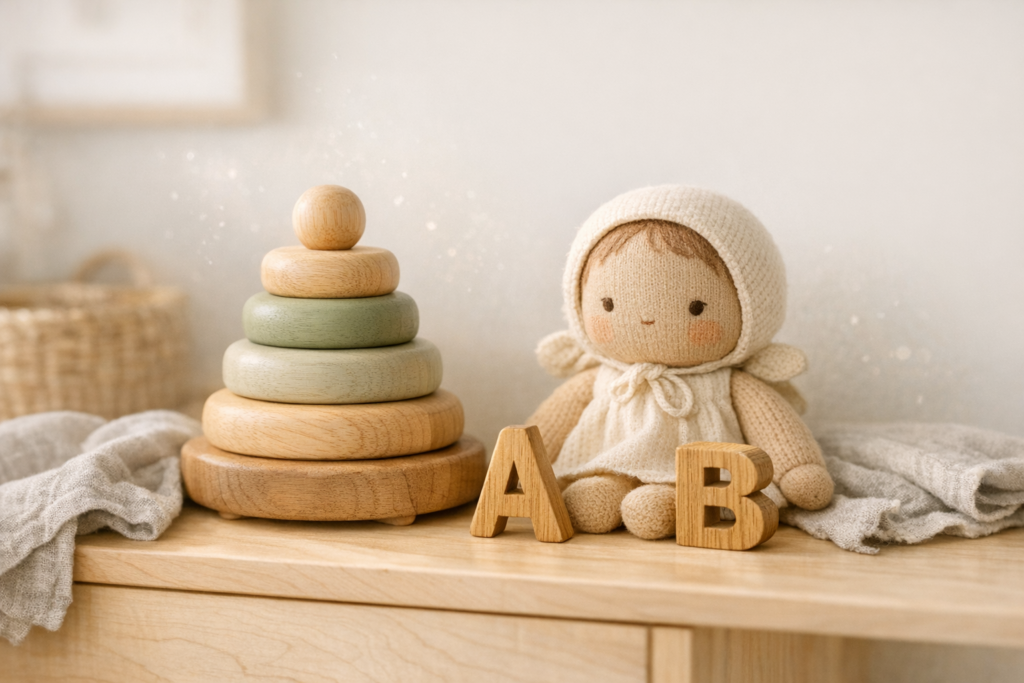
- Wooden Educational Toys: Montessori-inspired blocks, puzzles, and “busy boards” made from sustainable solid wood.
- Waldorf-Style Soft Toys: Hand-knit dolls, felted animals, or organic cotton plushies with minimalist facial features to encourage imagination.
- The “Modern Miniatures” Niche: High-end dollhouse furniture or curated miniature worlds for collectors and older children.
- Custom Activity Kits: Personalized wooden name puzzles or alphabet sets that double as nursery decor. (See Personalized Gifts Guide).
2. Safety First: The Trust Factor
In 2026, you cannot ignore the legal side of toys. Since these products are used by children, they are highly regulated.
- Materials: Use only non-toxic, lead-free paints, food-grade oils (for wood), and natural fibers.
- Certifications: Familiarize yourself with safety labels like CE (Europe) or CPC (USA). Mentioning your compliance in your product descriptions is a massive conversion booster.
- Age Labeling: Clearly state the recommended age for every toy. (Check Legal and Tax for Online Business).
3. Operations: Small Batches & Custom Orders
You don’t need a factory. Most successful artisan toy brands start as “Small Batch” operations.
- Made-to-Order: Reduce risk by only making a toy once it is paid for. This works perfectly for personalized items.
- The “Limited Drop” Model: Release a collection of 50 toys once a month. This creates “scarcity” and makes your toys feel like collectibles.
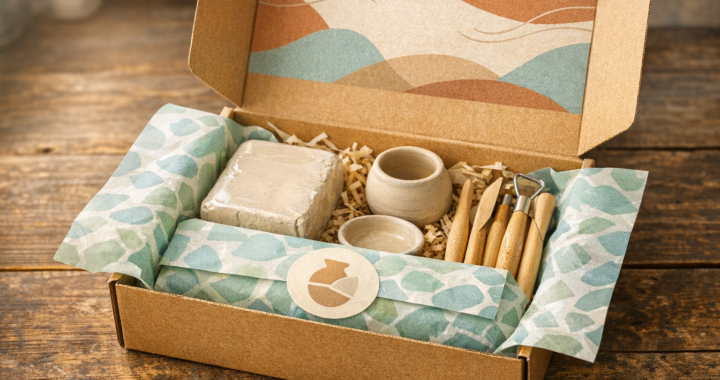
- Packaging: Use plastic-free, beautiful packaging. The unboxing should feel like a gift from a family member, not a delivery from a warehouse.
4. Mobile Management: Tracking the Craft
Even if you are working with your hands, your business runs on your phone.
- Order Tracking: Use your phone to manage your “Build List.”
- Inventory Management: Track your raw materials (wood blanks, wool, cotton) so you never run out during a busy season. (See 10 Business Automation Apps).
5. Marketing: Selling the Craftsmanship
People aren’t just buying the toy; they are buying your hands.
- Process Videos (Behind-the-Scenes): Film a time-lapse of you sanding a wooden horse or stitching a doll’s face. These are highly shareable on Instagram and TikTok.
- The “Nursery Aesthetic”: Photograph your toys in beautifully styled, minimalist nurseries. This appeals to the “Interior Design” side of parenting.
- Pinterest: Create a board for “Timeless Nursery Inspiration” and pin your products among other high-end decor.
6. Sourcing Sustainable Materials
In 2026, the “Eco” angle is non-negotiable for handmade toys.
- FSC-Certified Wood: Ensure your wood comes from responsibly managed forests.
- Organic GOTS Cotton: Use only certified organic textiles for soft toys to avoid pesticides near newborns.
7. Scaling: From Maker to Brand Owner
Once you are at capacity with your own hands, you have two choices:
- The Workshop Model: Hire local artisans to help you craft to your standards.
- The Curation Model: Partner with other makers to sell a “Full Playroom” bundle. (Check Smart Home Bundles Guide for bundling ideas).
Conclusion
Handmade Toys represent a return to quality, slow living, and mindful parenting. By focusing on safety, sustainability, and beautiful design, you build a brand that parents trust and children love. It’s not just a business; it’s about creating the heirlooms of 2026.
Ready to explore another artistic niche? Read our guide on Artisan Home Decor or simplify your life with DIY Craft Kits.