Specialty Coffee/Tea Subscriptions: How to Build a Recurring Revenue Beverage Brand in 2026
Coffee and tea are more than just beverages; for millions of people, they are daily rituals. In 2026, the demand for “specialty” drinks—products that are ethically sourced, high-quality, and offer unique flavor profiles—is at an all-time high. Consumers are moving away from mass-produced supermarket brands and looking for a more refined, artisanal experience at home.
This creates a massive opportunity for a Specialty Coffee or Tea Subscription Business.
Unlike a traditional one-time purchase shop, a subscription model focuses on recurring revenue. By delivering fresh beans or loose-leaf teas directly to a customer’s door every month, you build a steady, predictable income stream. You aren’t just selling a drink; you are selling the discovery of new flavors and the convenience of never running out of your favorite daily fuel.
Affiliate disclosure: This guide may contain affiliate links. If you purchase through them, ProBusinessStrategy may earn a commission at no extra cost to you. We only recommend tools we believe are genuinely useful for beginners and serious builders.
Why Coffee and Tea Subscriptions Are a Goldmine in 2026
This niche stands out in the e-commerce world because it hits the “Triple Crown” of business models:
1. Consumable and recurring
People drink coffee and tea every single day. When the bag is empty, they must buy more. This builds naturally high retention rates and a predictable shipping schedule, similar to the hobby subscription box model.
2. High passion and “Discovery” factor
Specialty drinkers are adventurous. They want to try a single-origin bean from Ethiopia one month and a high-mountain Oolong tea from Taiwan the next. Your value lies in your ability to curate these experiences.
3. Gift-ability
Coffee and tea subscriptions are one of the most popular “last-minute” and “long-distance” gifts. A 3-month or 6-month gift subscription can introduce your brand to a massive number of new customers every holiday season.
Choosing Your Beverage Niche
To succeed, you need to decide whether you are a Roaster/Producer or a Curator.
The Specialty Coffee Path
- Single-Origin Focus: Sourcing beans from one specific farm or region to highlight unique flavors.
- Roast Profiles: Specializing in light roasts (for acidity and fruitiness) or dark roasts (for chocolatey, bold body).
- Format: Offering whole beans (best for enthusiasts), ground coffee, or even premium compostable pods.
The Specialty Tea Path
- Loose-Leaf Tea: The gold standard for quality. Focus on Oolong, Matcha, Pu-erh, or rare White teas.
- Hand-Blended Herbals: Creating your own unique blends for “Sleep,” “Focus,” or “Energy.”
- Cultural Themes: Focusing on Japanese Green teas, Indian Chai, or British afternoon traditions.
Defining Your Subscription Model
How will your customers receive their products?
The “Roaster’s Choice” (Curated)
The customer trusts you to pick. Each month, they receive a different bag based on what is currently in season or exceptionally fresh.
The “Personalized Profile”
The customer takes a quiz on your site (e.g., “Do you like fruity or nutty flavors?”) and you send a selection that matches their specific palate.
The “Replenishment” Model
The customer finds a blend they love and sets it on “Autopilot.” They receive the same product every 2, 4, or 6 weeks. This is the backbone of stable recurring revenue stores.
Sourcing the “Specialty” Quality
In 2026, you cannot just buy bulk coffee and call it specialty. Your sourcing must be transparent.
Direct Trade vs. Fair Trade
Buyers in this niche care about the farmers. Highlight your “Direct Trade” relationships or “Ethically Sourced” certifications. This builds the type of trust required for sustainable e-commerce brands.
Freshness is everything
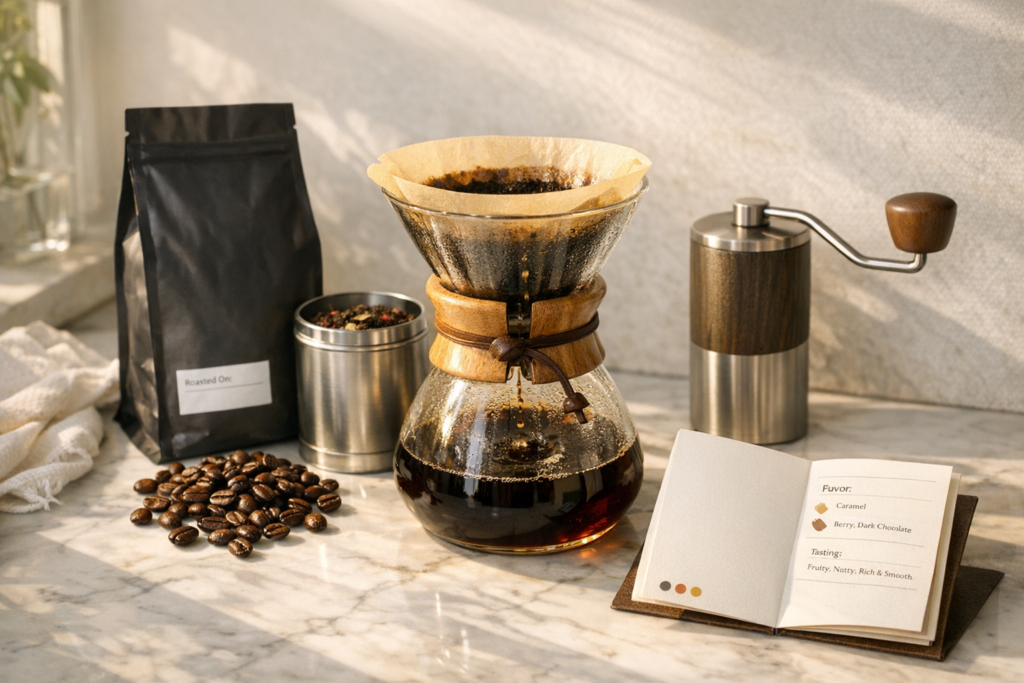
For coffee, the “Roasted On” date is the most important piece of information on the bag. For tea, the “Harvest Season” (e.g., First Flush Darjeeling) is king.
Pricing for Profit and Retention
Beverage subscriptions often have lower margins than refurbished tech, so you must price carefully.
The Subscription Pricing Strategy
- Base Box: $20 – $30 (1 bag of premium coffee or 100g of loose tea).
- Experience Box: $45 – $60 (Multiple varieties + tasting notes + brewing accessories).
- Tiered Discounts: Offer a 10-15% discount for subscribers compared to one-time buyers to encourage long-term commitment.
Monthly Revenue=(Number of Subscribers×Avg Monthly Fee)−ChurnMonthly\ Revenue = (Number\ of\ Subscribers \times Avg\ Monthly\ Fee) – ChurnMonthly Revenue=(Number of Subscribers×Avg Monthly Fee)−Churn
Packaging and Shipping Logistics
Because coffee and tea are sensitive to light, air, and moisture, packaging is a functional requirement, not just a branding choice.
- Degassing Valves: Essential for coffee bags to keep the beans fresh while letting CO2 escape.
- Airtight Tins or Resealable Pouches: Crucial for preserving the delicate oils in tea leaves.
- Eco-friendly mailers: Align with the eco-friendly household kits trend by using compostable or recyclable shipping materials.
- The “Letterbox” Box: Design your packaging to be thin enough to fit through a standard mail slot. This reduces shipping costs and prevents missed deliveries.
The Brewing Experience: Content Marketing
You aren’t just selling a bag of leaves or beans; you are selling a better morning. Use your phone to create “Add-on Value”:
- QR Codes on the Bag: Link to a video showing the exact water temperature and “steeping time” for that specific tea.
- Brewing Guides: Create blog posts on “How to make the perfect Pour-Over” or “The secret to 24-hour Cold Brew.”
- Tasting Cards: Include a card in every box explaining the “tasting notes” (e.g., “Hints of blueberry and jasmine”).
Marketing Your Subscription Brand
- The “First Box” Offer: Offer 50% off the first month. Once a customer tastes the difference between your product and the supermarket version, they are unlikely to cancel.
- Gift Subscriptions: Market heavily during November and December. A gift subscription is a “set it and forget it” present that introduces your brand to a friend of your customer.
- UGC (User Generated Content): Encourage customers to film their “morning ritual” with your product. This is highly effective on Instagram and TikTok.
Scaling: From Beans to Accessories
Once you have a steady subscriber base, increase your Average Order Value (AOV) by offering “Subscriber-Only” upsells:
- Equipment: Hand grinders, gooseneck kettles, tea infusers, and French presses.
- Merchandise: Branded ceramic mugs or “coffee-at-home” apparel.
- Pantry Items: High-end oat milk, artisanal honey, or organic syrups.
Common Mistakes to Avoid
- Poor Freshness Management: Shipping “stale” product is the fastest way to lose subscribers.
- Standard Shipping for Perishables: Ensure your shipping method is fast enough so the coffee doesn’t sit in a hot warehouse for 10 days.
- Complicated Cancellation: Make it easy to pause or cancel. If customers feel “trapped,” they will never come back. If you make it easy, they might return when their budget allows.
Final Thoughts
A Specialty Coffee or Tea Subscription is a high-frequency, high-trust business. By focusing on quality, transparency, and education, you create a brand that becomes an essential part of your customer’s daily life.
Start small, focus on one incredible roast or blend, and build your community of enthusiasts. Better mornings lead to a better business.
Suggested next reads