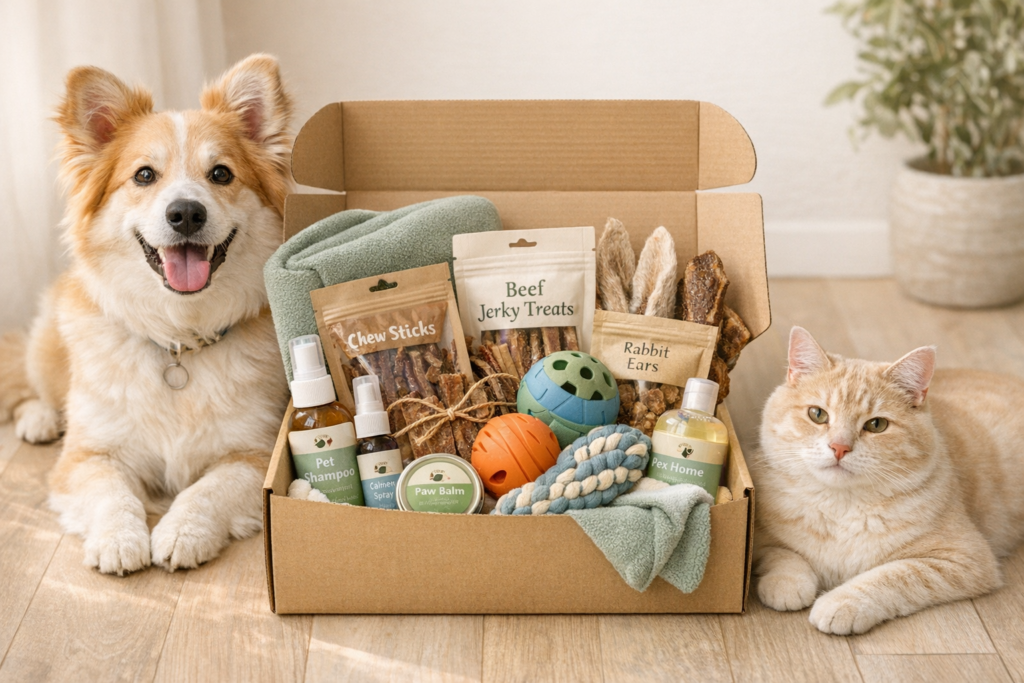
Niche Pet Subscriptions: How to Build a Recurring Revenue Pet Business in 2026
Pet owners spend money differently than almost any other type of consumer. For many people, a dog, cat, rabbit, bird, or reptile is not “just a pet.” It is family. That emotional connection makes the pet industry one of the most resilient and profitable consumer markets in the world.
In 2026, pet owners are not only buying food and basic supplies. They are investing in enrichment, wellness, grooming, training, comfort, mental stimulation, and happiness. This creates a major opportunity for Niche Pet Subscriptions.
A niche pet subscription is a recurring delivery service that sends carefully selected pet products to customers every month or quarter. These products may include treats, toys, grooming supplies, supplements, training tools, enrichment items, or care accessories.
The key word is niche.
Instead of trying to build a generic pet box for everyone, you focus on a specific type of pet, owner, lifestyle, or need.
For example:
- senior dog wellness boxes
- indoor cat enrichment subscriptions
- puppy training treat boxes
- eco-friendly pet care kits
- rabbit enrichment boxes
- hypoallergenic dog snack subscriptions
- luxury small dog boxes
- anxiety relief pet kits
This focus makes your offer more relevant, easier to market, and more emotionally compelling.
Affiliate disclosure: This guide may contain affiliate links. If you purchase through them, ProBusinessStrategy may earn a commission at no extra cost to you. We only recommend tools we believe are genuinely useful for beginners and serious builders.
Why Niche Pet Subscriptions Are a Strong Business in 2026
Pet subscriptions work because they combine three powerful forces: recurring consumption, emotional buying, and convenience.
Pet owners spend emotionally
People often hesitate to spend money on themselves, but they are willing to spend on their pets.
A pet owner may delay buying a new jacket, but still happily purchase:
- better treats
- enrichment toys
- calming chews
- orthopedic beds
- grooming products
- training tools
- birthday boxes
- seasonal pet gifts
This emotional attachment makes the pet market highly valuable.
Pets need ongoing supplies
Many pet products are consumable or regularly replaced.
Examples:
- treats
- chews
- supplements
- grooming wipes
- dental sticks
- litter accessories
- toys
- training rewards
- shampoo
- enrichment products
This makes the subscription model natural.
The same recurring revenue logic also applies to businesses like hobby subscription boxes and specialty coffee/tea subscriptions.
Convenience matters
Pet owners are busy. They want reliable, useful products delivered without constantly researching what to buy.
A well-designed subscription saves them time and helps them feel like they are caring for their pet properly.
Niche positioning reduces competition
A generic pet box competes with big brands.
A niche pet subscription can own a specific space.
For example:
- “The monthly enrichment box for indoor cats”
- “Natural treats for small dogs with sensitive stomachs”
- “Senior dog comfort and wellness delivered every month”
- “Eco-friendly care kits for conscious pet parents”
Specific beats generic.
Choosing Your Pet Subscription Niche
The best niche is where passion, recurring need, and product availability overlap.
Indoor cat enrichment box
Indoor cats need mental stimulation.
A box could include:
- puzzle feeders
- feather toys
- catnip blends
- scratching accessories
- treat puzzles
- window perch accessories
- scent enrichment items
Positioning:
“Keep your indoor cat active, curious, and entertained every month.”
Senior dog wellness box
Older dogs often need extra comfort and care.
A box could include:
- soft treats
- joint support supplements
- grooming wipes
- paw balm
- gentle toys
- calming products
- comfort accessories
Positioning:
“Monthly comfort, wellness, and enrichment for aging dogs.”
Puppy training subscription
New puppy owners constantly need help.
A box could include:
- training treats
- chew toys
- potty training accessories
- teething toys
- training cards
- grooming basics
- behavior tips
Positioning:
“Everything new puppy owners need for training, bonding, and healthy habits.”
Hypoallergenic dog treat box
Many dogs have sensitive stomachs or allergies.
A box could include:
- limited ingredient treats
- grain-free options
- single-protein snacks
- digestive support treats
- allergy-friendly chews
Positioning:
“Carefully selected treats for dogs with sensitive diets.”
Eco-friendly pet care box
This fits sustainability-focused pet owners.
A box could include:
- biodegradable waste bags
- natural grooming products
- recycled toys
- compostable packaging
- plant-based cleaning sprays
- sustainable collars or accessories
This connects well with eco-friendly household kits.
Rabbit enrichment subscription
Rabbit owners are often underserved.
A box could include:
- safe chew toys
- hay-based treats
- tunnel toys
- foraging mats
- herb blends
- grooming tools
Underserved niches can be powerful because customers have fewer good options.
Reptile care subscription
This is more specialized but can attract loyal customers.
A box could include:
- habitat accessories
- feeding tools
- cleaning supplies
- enrichment décor
- safe substrate samples
- educational care cards
Specialist owners often value expertise.
What Makes a Good Pet Subscription Product?
Not every pet product belongs in a subscription box.
Good products are:
- safe
- useful
- repeatable
- appropriately sized
- exciting to receive
- easy to ship
- profitable at wholesale pricing
- aligned with your niche
Safety comes first
Pet products must be carefully selected.
Avoid items that:
- splinter easily
- contain unsafe ingredients
- are too small and pose choking hazards
- use questionable dyes or chemicals
- are not appropriate for your target pet size
- have unclear labeling
Trust is everything in the pet market.
Consumables increase retention
Consumable items create a reason to stay subscribed.
Examples:
- treats
- chews
- grooming wipes
- supplements
- dental care products
- litter accessories
- training rewards
Toys create excitement
Toys make the unboxing experience fun.
For pets, toys are engagement.
For owners, toys are emotional proof that the subscription made their pet happy.
Education adds value
Include simple guides:
- training tips
- enrichment ideas
- feeding notes
- toy safety guidance
- grooming instructions
- pet wellness reminders
Education makes the box feel thoughtful, not random.
Subscription Box Models
Monthly discovery box
Customers receive a surprise selection every month.
Best for:
- toys
- treats
- enrichment
- seasonal themes
Replenishment subscription
Customers receive the same products regularly.
Best for:
- treats
- supplements
- grooming wipes
- waste bags
- dental chews
- litter accessories
Starter kit subscription
Designed for life stages.
Examples:
- new puppy first 6 months
- kitten care box
- senior dog comfort plan
- rescue dog adjustment kit
Premium pet lifestyle box
Focused on higher-end pet owners.
Could include:
- boutique treats
- stylish accessories
- grooming products
- luxury toys
- seasonal gifts
Sourcing Pet Products
Wholesale pet suppliers
Start by finding suppliers that offer:
- safe ingredients
- clear labeling
- wholesale pricing
- reliable stock
- certifications if relevant
- product liability awareness
Small makers and artisan brands
You can partner with:
- dog treat bakers
- handmade toy makers
- natural grooming brands
- eco-friendly pet product creators
This gives your box a unique feel.
Private label products
Once your brand grows, private label items can increase margins.
Examples:
- branded treats
- branded grooming wipes
- branded toy line
- branded supplement range
- branded training cards
Local pet businesses
Partner with:
- groomers
- trainers
- veterinarians
- pet photographers
- rescue organizations
- boutique pet stores
These partnerships can also support marketing.
Pricing Your Pet Subscription
Price must cover products, packaging, shipping, platform fees, fulfillment, and profit.
Simple pricing formula
Subscription Price=Product Cost+Packaging+Shipping+Fulfillment+Marketing+ProfitSubscription\ Price = Product\ Cost + Packaging + Shipping + Fulfillment + Marketing + ProfitSubscription Price=Product Cost+Packaging+Shipping+Fulfillment+Marketing+Profit
Example:
If each monthly box costs:
- products: $14
- packaging: $3
- shipping: $7
- fulfillment labor: $4
- platform/payment fees: $2
- desired profit: $12
Then:
14+3+7+4+2+12=4214 + 3 + 7 + 4 + 2 + 12 = 4214+3+7+4+2+12=42
A subscription price around $39–$45 may make sense depending on the perceived value.
Offer tiers
Tiers allow different customer budgets.
Example:
- Basic Box: $24/month
- Standard Box: $39/month
- Premium Box: $59/month
Creating an Emotional Unboxing Experience
The unboxing moment is especially powerful in pet subscriptions.
The owner opens the box.
The pet reacts.
That reaction becomes marketing.
Include visual joy
Use:
- branded tissue paper
- themed cards
- seasonal colors
- treat bags
- playful inserts
- pet-safe packaging
- personalized pet name card if possible
Encourage sharing
Include a card that says:
- share your pet’s reaction
- tag your brand
- enter monthly photo contest
- join the community
Do not rely only on ads. Pet content is naturally shareable.
Marketing a Niche Pet Subscription
Use emotional messaging
Strong angles:
- “Keep your indoor cat entertained”
- “Help your senior dog feel loved every month”
- “Make puppy training easier”
- “Give your pet something to look forward to”
- “Better enrichment, less boredom”
Build around pet identity
Owners love content that reflects their pet’s personality.
Examples:
- “For anxious dogs”
- “For spoiled senior pups”
- “For curious indoor cats”
- “For eco-conscious pet parents”
- “For tiny dogs with big personalities”
Use short-form video
Pet boxes are perfect for TikTok, Instagram Reels, and YouTube Shorts.
Content ideas:
- dog opening box
- cat playing with monthly toy
- puppy training with treats
- senior dog comfort routine
- packing monthly boxes
- customer pet reactions
- “what’s inside this month’s box?”
Partner with micro-influencers
Pet micro-influencers often have highly engaged audiences.
Send sample boxes to:
- dog accounts
- cat accounts
- rabbit accounts
- training creators
- rescue pet pages
- pet wellness educators
Work with shelters and rescues
This can strengthen your brand mission.
Ideas:
- donate one toy per subscription
- sponsor adoption events
- create rescue dog starter kits
- partner with shelters for awareness
Managing Churn
Pet subscriptions need freshness.
Customers cancel when boxes feel repetitive or low value.
Reduce churn by offering customization
Ask:
- pet type
- pet size
- pet age
- allergies
- chewing style
- favorite toy type
- dietary restrictions
Allow skip or pause
A pause option is better than a cancellation.
Rotate themes
Examples:
- dental month
- enrichment month
- calming month
- training month
- outdoor adventure month
- birthday month
- winter comfort month
Logistics and Fulfillment
Batch packing
Most subscription boxes are shipped in monthly batches.
This makes fulfillment more efficient.
Steps:
- finalize subscriber count
- order inventory
- assemble boxes
- print labels
- ship all boxes
- handle customer support
Inventory planning
Always keep extra units for:
- damaged shipments
- replacement items
- late subscribers
- influencer boxes
- customer service issues
Shipping considerations
Pet products can vary in weight.
Treats and chews can make boxes heavy.
Test shipping costs before pricing.
Legal and Safety Considerations
Pet products can involve safety and regulatory issues.
Consider:
- ingredient labeling
- allergen disclosure
- product safety
- choking hazards
- supplement claims
- pet food regulations
- business insurance
- return policy
- supplier documentation
- liability coverage
Do not make medical claims unless properly supported.
For broader business setup, read our guide on legal and tax basics for online businesses.
Example 30-Day Launch Plan
Days 1–5: Choose your niche
Pick one clear audience:
- indoor cats
- senior dogs
- puppies
- sensitive-stomach dogs
- eco pet owners
- rabbits
- small dogs
Days 6–10: Research products and suppliers
Find 10–20 potential products.
Check:
- safety
- cost
- shipping weight
- wholesale availability
- customer appeal
Days 11–15: Build your first prototype box
Create one sample box.
Photograph it.
Estimate cost and pricing.
Days 16–20: Build a waitlist
Create a landing page.
Offer:
- launch discount
- first-box bonus
- early access
- pet personalization quiz
Days 21–25: Get feedback
Show the prototype to:
- pet owners
- trainers
- groomers
- rescue volunteers
- online pet communities
Days 26–30: Open pre-orders
Use pre-orders to validate demand before buying large inventory.
Scaling a Niche Pet Subscription Brand
Once your first niche works, expand carefully.
Add personalization
Use pet profiles to tailor boxes.
Launch product add-ons
Offer:
- extra treats
- replacement toys
- seasonal accessories
- grooming products
- training tools
Create seasonal boxes
Examples:
- holiday pet box
- summer cooling box
- winter comfort box
- birthday box
- new puppy box
Develop private label products
Private label improves margins and brand recognition.
Build a community
Pet owners love belonging to communities.
Create:
- monthly pet photo contests
- subscriber-only training tips
- pet birthday calendar
- rescue donation updates
- private Facebook group
Common Mistakes to Avoid
Mistake 1: Being too generic
“Pet box” is too broad. Choose a specific audience.
Mistake 2: Ignoring allergies and pet size
Customization matters.
Mistake 3: Using unsafe products
Safety must be non-negotiable.
Mistake 4: Underpricing shipping
Pet products can be heavy.
Mistake 5: Repeating the same items
Subscribers need novelty.
Mistake 6: Weak customer service
Pet owners are protective. Respond quickly and kindly.
Final Thoughts
Niche Pet Subscriptions are powerful because they combine recurring revenue with deep emotional buying behavior.
People want their pets to be happy, healthy, entertained, comfortable, and loved. If your subscription helps them feel like a better pet parent, they will gladly pay for it month after month.
The opportunity is not in creating another generic pet box.
The opportunity is in choosing a specific pet audience and serving them exceptionally well.
Start narrow. Focus on safety. Build trust. Make the box feel personal. Create joy for both the pet and the owner.
If you do that, you are not just selling toys and treats.
You are delivering happiness to someone’s best friend.
Suggested next reads