Almost everyone has forgotten something important at the wrong moment.
A child forgets a lunchbox.
A student forgets a laptop charger.
An office worker forgets a document at home.
Someone leaves gym clothes behind.
A traveler forgets a passport, wallet, glasses, medication, or phone cable.
A parent needs school shoes delivered before practice.
A business owner needs keys, papers, samples, or equipment moved quickly across town.
These moments are stressful because the item is not usually difficult to deliver.
The problem is timing.
The person needs it now.
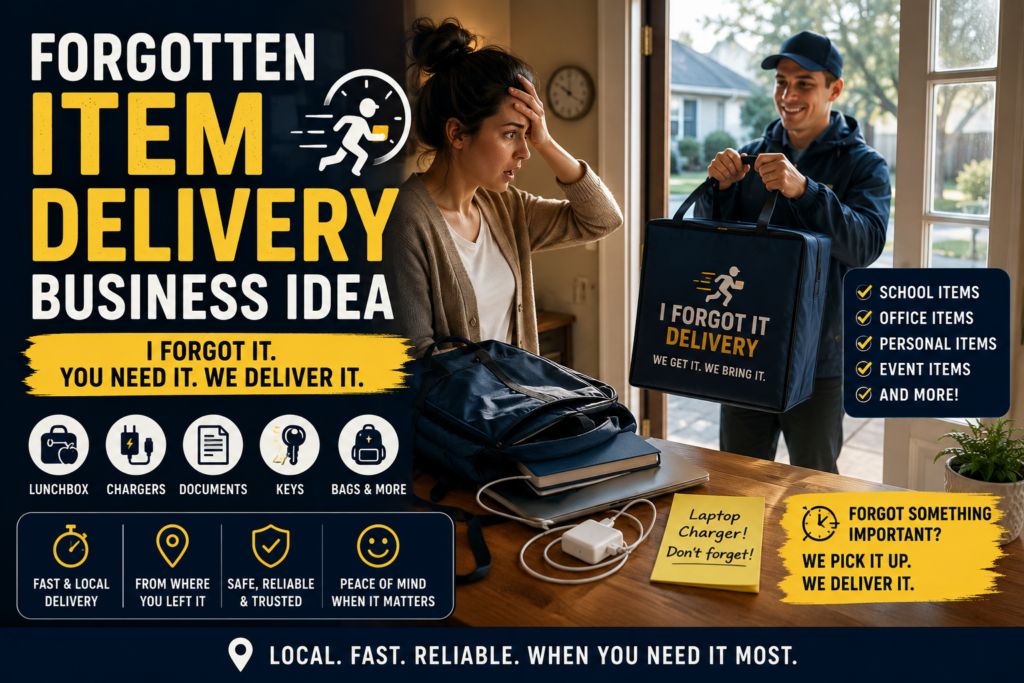
That is where a forgotten item delivery business can become a practical local service.
This is an out-of-the-box delivery business idea because it is not built around one product category. It is built around one repeated human problem:
“I forgot something important. Can someone bring it to me?”
A forgotten item delivery service can help families, students, office workers, travelers, schools, hotels, small businesses, event planners, and busy professionals.
It is simple, local, and highly understandable.
Affiliate disclosure: This post contains affiliate links. If you make a purchase through one of these links, ProBusinessStrategy may earn a small commission at no extra cost to you. We only recommend tools we genuinely believe in.
What Is a Forgotten Item Delivery Business?
A forgotten item delivery business is a local service that picks up an item from one location and delivers it to another location quickly.
The service is not mainly about parcels.
It is about rescue moments.
Examples include:
- lunchbox from home to school
- laptop charger from home to office
- sports bag from home to gym
- school project from home to classroom
- keys from office to home
- documents from home to workplace
- phone from restaurant to owner
- glasses from hotel to airport
- wallet from home to train station
- event supplies from storage to venue
- uniform from home to work
- forgotten baby bag to daycare
- medicine pickup where legally allowed
- dance costume to performance location
- wedding item to event venue
The business could operate with a bike, scooter, cargo bike, car, walking courier, or small local runner network.
The vehicle is not the main idea.
The main idea is speed, reliability, and trust.
Why This Business Idea Can Work
This idea works because forgetting something creates urgency.
People may not need a delivery service every day, but when they do need it, the need can be strong.
A forgotten item delivery business solves a problem that ordinary delivery services may not handle well.
A postal service is too slow.
A food delivery app is not built for personal items.
A taxi may be expensive or not designed for item pickup.
A friend or family member may not be available.
A courier company may be too formal or too expensive for a small local errand.
That leaves a gap.
A local forgotten item delivery service can fill that gap by being simple, fast, and clear.
The customer does not need to understand logistics.
They only need to know:
“Someone can pick it up and bring it to me.”
Who Would Use This Service?
This business can serve many types of customers, but it is better to start with one or two clear groups.
Parents and Families
Families forget things often because mornings can be chaotic.
A parent may need to send:
- lunchbox
- school bag
- sports shoes
- homework
- permission form
- musical instrument
- dance clothes
- raincoat
- glasses
- baby bag
- birthday treats
- school project
A family-focused version of this service could become:
“Forgotten school items delivered locally.”
This is especially useful in neighborhoods with many schools, sports clubs, and working parents.
Students
Students forget chargers, books, laptops, notes, keys, ID cards, and project materials.
A student version could serve:
- university campuses
- student housing
- libraries
- exam centers
- dormitories
- shared apartments
The offer could be:
“Forgot your charger, notes, or laptop bag? We deliver it fast.”
This can work well during exam periods.
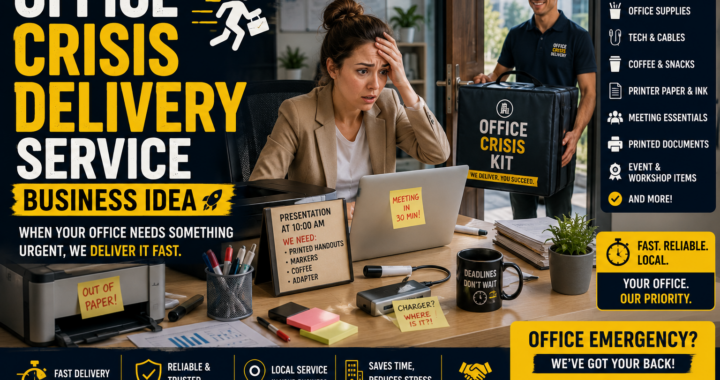
Office Workers
Professionals often need forgotten items moved quickly.
Examples:
- laptop charger
- presentation materials
- contracts
- ID badge
- keys
- sample products
- meeting notes
- uniforms
- business cards
- hard drives
This can become a B2B delivery service.
The business could partner with coworking spaces, office buildings, small companies, and freelancers.
Travelers and Hotel Guests
Travelers forget things at hotels, restaurants, taxis, airports, or apartments.
A local delivery service could help with:
- glasses
- phone chargers
- passports where safe and legal
- bags
- wallets
- jackets
- travel documents
- baby supplies
- medication where allowed
- keys
Hotels could offer the service as a helpful guest support option.
A simple QR code at reception could say:
“Forgot something in the city? Ask us about local item pickup.”
Small Business Owners
Small businesses often need urgent local movement of items.
Examples:
- keys
- invoices
- samples
- product stock
- tools
- uniforms
- documents
- packaging materials
- event supplies
- small equipment
This can be valuable because business customers may pay more for reliability.
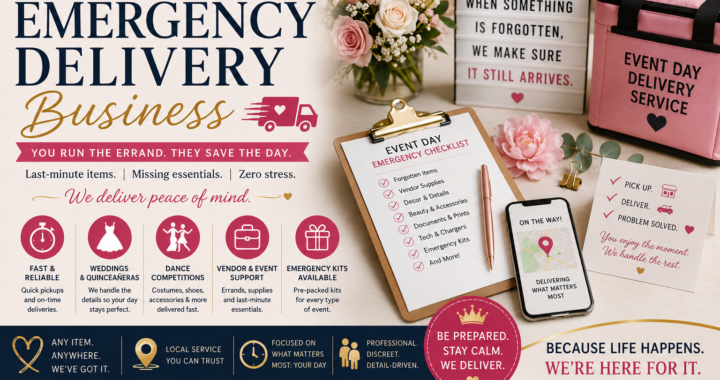
Event Planners
Events are full of forgotten items.
A forgotten item delivery service could support:
- weddings
- birthday parties
- conferences
- dance events
- sports matches
- quinceañeras
- corporate events
- school events
Items might include:
- decorations
- guest lists
- chargers
- clothing
- makeup
- shoes
- microphones
- documents
- gifts
- accessories
- emergency kits
This could become a specialist event runner service later.
What Items Could You Deliver?
A forgotten item delivery business should have clear rules about what it will and will not deliver.
Good categories include:
School and Family Items
- lunchboxes
- backpacks
- sports clothes
- school projects
- shoes
- raincoats
- permission forms
- books
- baby bags
- birthday treats
Office Items
- chargers
- documents
- keys
- laptops if properly insured
- ID cards
- samples
- notebooks
- presentation materials
- business clothing
Personal Items
- glasses
- wallet
- phone
- headphones
- house keys
- clothing
- bag
- umbrella
- travel items
Event Items
- decorations
- shoes
- makeup
- costumes
- accessories
- printed materials
- small supplies
- emergency kits
Business Items
- product samples
- small stock
- tools
- packaging
- printed materials
- invoices
- keys
- equipment parts
Some items may require special care, identity verification, insurance, or may not be suitable for a beginner delivery service.
For example, valuable electronics, passports, medication, legal documents, and keys should be handled carefully with clear procedures.
The Best Positioning: “I Forgot It” Delivery
The strongest brand angle is simple:
“I forgot it.”
That phrase is instantly understandable.
A possible brand promise could be:
“Forgot something important? We pick it up and deliver it locally.”
This is much clearer than calling the business a “personal logistics micro-service.”
People do not want complicated language when they are stressed.
They want a quick solution.
Possible service names:
- I Forgot It Delivery
- Forgot It Fast
- Bring It To Me
- Local Rescue Runner
- Oops Delivery
- The Forgotten Item Courier
- Quick Item Rescue
- Forgot & Found Delivery
- Last-Minute Runner
- City Errand Rescue
The name should feel practical, trustworthy, and quick.
How the Service Could Work
The customer process should be simple.
Step 1: Customer Requests Pickup
The customer gives:
- pickup address
- delivery address
- item description
- contact person at pickup
- contact person at delivery
- urgency level
- special instructions
Step 2: Price Is Confirmed
The price can be based on distance, urgency, time of day, and item type.
Step 3: Item Is Picked Up
The courier verifies the item with the pickup contact.
A photo confirmation can help avoid confusion.
Step 4: Item Is Delivered
The courier delivers the item to the recipient.
A delivery confirmation can be sent by message or email.
Step 5: Customer Receives Proof
Proof could include:
- photo confirmation
- delivery time
- recipient name
- digital signature for business accounts
This creates trust.
Pricing Models
A forgotten item delivery business can use several pricing models.
Simple Distance Pricing
Example:
- Local delivery within 3 km: fixed price
- 3 to 7 km: higher fixed price
- 7 to 15 km: custom price
This is easy to understand.
Urgency Pricing
Example:
- Standard: delivered within 2 hours
- Fast: delivered within 60 minutes
- Emergency: delivered as soon as possible
Urgent delivery can cost more because it interrupts the route.
Time-Based Pricing
Late-night, weekend, holiday, or rush-hour delivery may cost more.
Subscription Model
Families or businesses could buy monthly credits.
Examples:
- 4 forgotten item deliveries per month
- family plan
- student plan
- office plan
- hotel guest support plan
A subscription model works well when the customer group has repeated needs.
B2B Account Pricing
Schools, offices, hotels, and event planners could get business accounts.
This might include:
- monthly billing
- priority delivery
- fixed zones
- dedicated pickup procedure
- recurring partner rate
B2B customers can make the business more stable.
How to Start Small
This business is best tested locally.
Do not start with a large city-wide operation.
Start with one area and one customer type.
Step 1: Choose One Use Case
Choose a clear starting point.
For example:
- forgotten school items for families
- forgotten chargers and office items for professionals
- hotel guest forgotten item delivery
- student campus forgotten item delivery
- event emergency runner service
A narrow start makes marketing easier.
Step 2: Choose a Small Delivery Zone
Start with one neighborhood, campus, business district, or school area.
A small delivery area makes the service faster and more reliable.
Step 3: Create a Simple Website or Landing Page
The website should explain:
- what the service does
- where it operates
- what items are allowed
- pricing
- hours
- safety rules
- how to request delivery
- contact information
If you want to test the idea professionally, a simple domain from Namecheap and a basic website with Bluehost can be enough to start.
You do not need a complex app in the beginning.
The first goal is clarity.
Step 4: Use Simple Order Tools
You can start with:
- Google Forms
- a contact form
- Instagram direct message
- local booking form
- simple ecommerce checkout
- phone number
The easier the order process, the better.
Step 5: Test with Local Communities
Promotion can start with:
- school parent groups
- neighborhood groups
- campus communities
- coworking spaces
- hotel reception desks
- local Facebook groups
- flyers with QR codes
- apartment buildings
- sports clubs
- event venues
You are not selling a complicated idea.
You are telling people:
“When you forget something important, we can bring it.”
Safety, Trust, and Rules
A forgotten item delivery business must be trusted.
Customers may ask you to move personal items.
That means you need clear rules.
Important policies could include:
Item Verification
The courier should confirm the item before leaving the pickup location.
No Unclear Packages
Avoid sealed or unknown packages unless you have a clear business policy.
Restricted Items
Do not deliver illegal, dangerous, age-restricted, or prohibited items.
Be careful with:
- medication
- alcohol
- tobacco
- valuables
- passports
- cash
- legal documents
- weapons
- hazardous materials
- controlled substances
Rules differ by location, so always check local laws.
Identity Confirmation
For sensitive items like keys, wallets, or documents, you may need extra confirmation.
Insurance
If you transport valuable items, insurance matters.
A beginner service may choose to limit item value at first.
Privacy
Customer addresses, routines, family details, and item information should be treated carefully.
Trust is the business.
Without trust, this service cannot grow.
Marketing Ideas
This business has strong marketing potential because the problem is easy to understand.
Simple Social Media Hooks
- “Forgot your lunchbox? We deliver it.”
- “Forgot your charger at home? We bring it to work.”
- “School bag left behind? We help.”
- “Forgot something important? Do not panic.”
- “One small delivery can save your whole day.”
- “Your local ‘I forgot it’ delivery service.”
TikTok and Reel Ideas
Short videos could show:
- parent realizing the lunchbox is still at home
- courier picking up and delivering school item
- office worker with dead laptop and no charger
- student needing notes before an exam
- hotel guest forgetting glasses at a restaurant
- event planner needing missing decorations
- “5 things people forget most often”
This business is very visual because the situations are relatable.
Flyer Ideas
A flyer could say:
“Forgot something important?”
Then list:
- lunchbox
- charger
- keys
- documents
- school bag
- gym clothes
- event items
And end with:
“Local pickup and delivery when you need it fast.”
Partnerships
Strong partnership opportunities include:
- schools
- coworking spaces
- hotels
- apartment buildings
- sports clubs
- gyms
- event venues
- student housing
- small offices
- daycare centers where appropriate
- local businesses
The best partners are places where people often forget things or need urgent item movement.
How This Could Grow
A forgotten item delivery business can grow in several directions.
1. Family Delivery Service
Focus on school, sports, daycare, and household items.
2. Office Runner Service
Serve professionals and small businesses with urgent local item delivery.
3. Hotel Guest Delivery Service
Help travelers recover or move forgotten items around the city.
4. Student Campus Delivery
Serve dorms, libraries, campuses, and exam periods.
5. Event Emergency Runner
Serve weddings, conferences, parties, dance events, and local venues.
6. Personal Errand Subscription
Offer monthly plans for busy families or professionals.
For example:
“4 local item runs per month.”
7. Local Concierge Delivery
Expand into a broader local convenience service.
This could include returns, pickup, dry cleaning, repair parts, baby supplies, gift delivery, and small errands.
Why This Fits the Out-of-the-Box Delivery Hub
This idea fits perfectly because it is built around a real-life moment.
People do not always need products.
Sometimes they need movement.
They need something taken from one place to another, quickly and reliably.
A forgotten item delivery business is practical because the demand is easy to understand.
It can start with one person.
It can serve one neighborhood.
It can use simple tools.
It can be marketed with simple words.
And it can expand into many niches.
The business is not about being the biggest courier company.
It is about becoming the person or brand people think of when they say:
“Oh no, I forgot something.”
Final Thoughts
A forgotten item delivery business is a simple but powerful local delivery idea.
It solves a common problem.
It works for many customer groups.
It can start small.
It can be promoted locally.
It can grow into family services, office delivery, student delivery, hotel partnerships, event runner services, or personal errand subscriptions.
The key is trust.
People need to know that you are fast, reliable, careful, and clear.
Start with one use case.
Choose one delivery area.
Create a simple ordering process.
Set clear rules about what you will and will not deliver.
Then test the demand.
Sometimes a strong business idea starts with a very normal sentence:
“I forgot it.”
If you can solve that moment better than anyone else in your local area, you may have the beginning of a valuable delivery business.
Related Articles