DIY Craft Kits: Building a Profitable Creative E-commerce Brand in 2026
In 2026, people are craving something that digital life cannot fully provide: hands-on creativity.
After years of screens, notifications, automation, and AI tools, more consumers are looking for physical, calming, satisfying activities they can do at home. They want to paint, sculpt, knit, pour candles, build small objects, decorate journals, or make personalized gifts with their own hands.
That is why DIY Craft Kits are such a strong e-commerce opportunity.
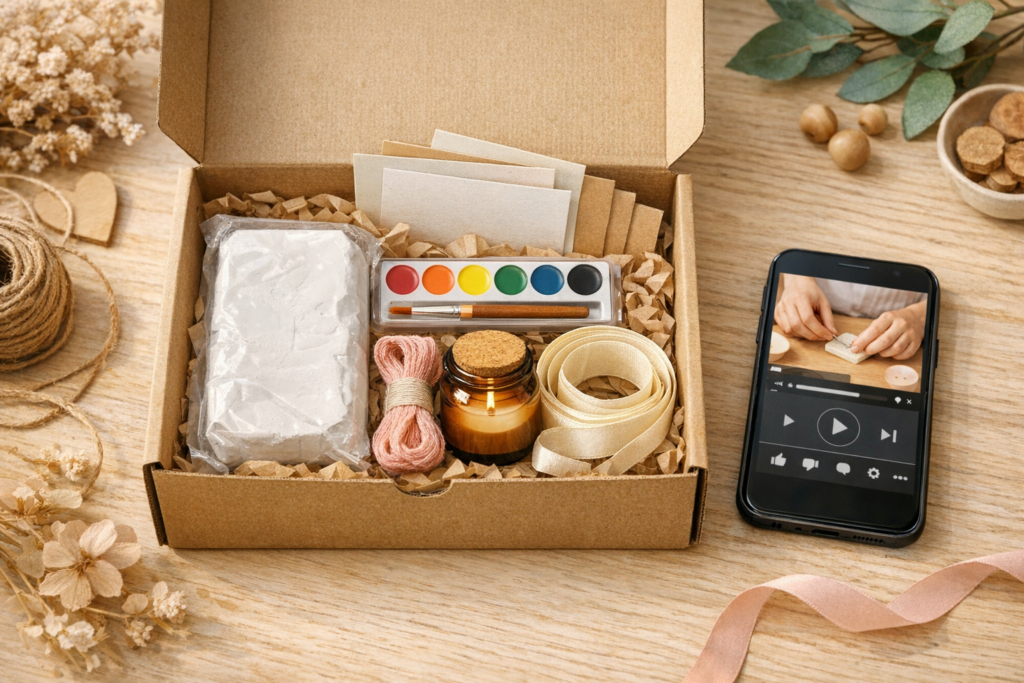
A DIY Craft Kit is not just a box of materials. It is a complete creative experience. You are selling the satisfaction of making something, the calm of a screen-free activity, and the joy of having a finished object at the end.
This makes DIY Craft Kits powerful for:
- beginners
- parents
- couples
- hobby learners
- gift buyers
- stressed professionals
- creative communities
- people looking for offline activities
And the best part? You do not need to be a large manufacturer to start. You can begin with one carefully curated kit, assemble it yourself or work with suppliers, and sell through Shopify, Etsy, or your own content-driven e-commerce site.
Affiliate disclosure: This guide may contain affiliate links. If you purchase through them, ProBusinessStrategy may earn a commission at no extra cost to you. We only recommend tools we believe are genuinely useful for beginners and serious builders.
Why DIY Craft Kits Are a Strong Business in 2026
DIY Craft Kits are thriving because they sit at the intersection of several powerful consumer trends.
People want screen-free experiences
Many people spend most of their day working on laptops, scrolling on phones, or interacting with digital tools.
A craft kit gives them permission to slow down.
It offers:
- focus
- relaxation
- creativity
- tactile satisfaction
- a break from screens
This is especially attractive to adults who want a hobby but do not know where to start.
Beginners want everything in one box
The biggest barrier to starting a craft hobby is not interest. It is confusion.
A beginner may want to try candle making, pottery, watercolor painting, or embroidery, but they do not know which supplies to buy.
They ask:
- What materials do I need?
- Which tools are beginner-friendly?
- What if I buy the wrong supplies?
- Do I need expensive equipment?
- Where do I start?
Your kit solves that.
A strong DIY Craft Kit includes:
- the right materials
- simple instructions
- tools
- beginner-friendly steps
- inspiration
- optional video guidance
That convenience is what customers pay for.
Craft kits are highly giftable
DIY Craft Kits are not only bought by hobbyists. They are often bought as gifts.
They work well for:
- birthdays
- Christmas
- Mother’s Day
- Valentine’s Day
- housewarming gifts
- bridal showers
- team-building gifts
- date nights
- self-care gifts
This gives the business strong seasonal potential.
They are visual products
DIY Craft Kits are easy to market visually.
You can show:
- the box contents
- the making process
- before-and-after results
- customer creations
- relaxing workspace scenes
- satisfying close-up videos
This makes them ideal for Instagram, Pinterest, TikTok, YouTube Shorts, and blog content.
Choosing the Right Craft Kit Niche
Do not start with every craft category at once.
A focused niche is easier to brand, easier to market, and easier to fulfill.
Popular DIY Craft Kit categories
Here are strong categories for 2026.
Candle making kits
Candle kits are popular because they combine creativity, home decor, and self-care.
A starter kit could include:
- wax
- fragrance oil
- wicks
- jars
- labels
- stirring sticks
- thermometer
- instructions
You can niche down into:
- luxury soy candles
- aromatherapy candles
- zodiac candles
- seasonal candles
- wedding favor candles
- eco-friendly candles
Pottery and air-dry clay kits
Pottery has strong visual appeal and performs well on social media.
A beginner-friendly kit might include:
- air-dry clay
- shaping tools
- sponge
- paint
- sealant
- brush
- instruction card
This niche works well for people who want the pottery experience without needing a kiln.
Painting kits
Painting kits are broad and beginner-friendly.
Examples:
- watercolor botanical kits
- acrylic canvas kits
- paint-by-number kits
- abstract art kits
- mini canvas kits
- family painting kits
Painting kits are especially strong for gifts and date-night experiences.
Embroidery and knitting kits
Textile crafts are growing because they feel calming and traditional.
A kit could include:
- fabric
- hoop
- thread
- needles
- pattern
- instructions
You can niche into:
- modern embroidery
- beginner knitting
- crochet animals
- baby blanket kits
- mindful stitching kits
Jewelry-making kits
Jewelry kits can be profitable because finished products feel wearable and giftable.
Examples:
- beaded bracelet kits
- minimalist necklace kits
- clay earring kits
- charm bracelet kits
- friendship bracelet kits
- personalized jewelry kits
This niche can pair nicely with personalized gift content.
Kids’ educational craft kits
Parents often buy craft kits that entertain and teach.
Examples:
- science craft kits
- nature art kits
- printable activity kits
- holiday craft kits
- sensory play kits
- homeschool art kits
If you choose children’s products, be extra careful with safety, age recommendations, and small parts.
Designing a Kit People Actually Want
A successful DIY Craft Kit must feel complete, beautiful, and beginner-friendly.
The kit must solve a clear problem
Do not sell “random craft supplies.”
Sell a specific outcome.
Examples:
- “Make your first soy candle”
- “Paint a relaxing botanical watercolor”
- “Create your own clay jewelry dish”
- “Learn beginner embroidery in one weekend”
- “Build a date-night pottery set at home”
The customer should instantly understand what they will make.
Include everything needed
The best kits remove friction.
If a customer has to go buy extra tools, your kit feels incomplete.
Before launching, ask:
- Can a beginner start immediately?
- Are the instructions clear?
- Are the materials enough?
- Is anything missing?
- Would I enjoy receiving this as a gift?
If something is required but not included, say so clearly.
Make the packaging feel gift-ready
Packaging matters.
DIY Craft Kits are often gifts, so your box should look appealing before it is opened.
Consider:
- kraft boxes
- branded stickers
- tissue paper
- instruction cards
- thank-you cards
- QR codes for video tutorials
- simple printed labels
- eco-friendly filler
Good packaging increases perceived value.
Adding Digital Value
One of the smartest ways to improve a DIY Craft Kit is to add digital content.
This turns a basic supply box into a premium learning experience.
Digital extras you can include
You can add:
- video tutorials
- printable instructions
- design templates
- bonus patterns
- project planner sheets
- community access
- troubleshooting guide
- care instructions
- certificate of completion
These digital add-ons cost little to deliver but increase the value of the product.
Use QR codes
Add a QR code inside the kit linking to:
- setup video
- full tutorial
- inspiration gallery
- downloadable templates
- product care guide
This makes the experience feel modern and helpful.
Sourcing Materials
Your sourcing approach depends on your budget and scale.
Start small and assemble yourself
Many DIY Craft Kit businesses start at home.
You can buy supplies in small batches, test demand, and assemble kits yourself.
This gives you control over:
- quality
- packaging
- instructions
- customer experience
The downside is that it takes time.
Buy wholesale supplies
Once you validate demand, move to wholesale suppliers.
This reduces cost per kit and improves margins.
Track:
- material cost
- packaging cost
- shipping cost
- labor time
- damaged item rate
- supplier reliability
Use fulfillment later
When orders grow, you can outsource packing and shipping.
A fulfillment partner can store your materials, assemble kits, and ship orders.
But do not rush this too early. First, prove that people want the kit.
Pricing Your DIY Craft Kits
Pricing must include more than materials.
You must account for:
- supplies
- packaging
- labor
- design time
- instructions
- digital content
- platform fees
- shipping materials
- marketing
- profit
Simple pricing formula
Retail Price=Materials+Packaging+Labor+Fees+Marketing+ProfitRetail\ Price = Materials + Packaging + Labor + Fees + Marketing + ProfitRetail Price=Materials+Packaging+Labor+Fees+Marketing+Profit
If a kit costs you $18 to produce and pack, selling it for $22 is not a business.
You need margin.
For example:
- materials: $12
- packaging: $4
- labor: $6
- fees: $3
- marketing allowance: $8
- desired profit: $17
Suggested retail price:
12+4+6+3+8+17=5012 + 4 + 6 + 3 + 8 + 17 = 5012+4+6+3+8+17=50
That kit should likely sell around $49–$55.
Premium positioning works well
Do not compete with cheap generic craft supplies.
Compete on:
- experience
- design
- beginner-friendliness
- packaging
- tutorial quality
- niche appeal
- giftability
A beautiful, complete kit can sell for much more than the raw materials inside.
Where to Sell DIY Craft Kits
Etsy
Etsy is a natural marketplace for craft kits.
Advantages:
- buyers already search for handmade and creative products
- strong gift traffic
- easy to test demand
- good for niche kits
Disadvantages:
- competition
- marketplace fees
- less brand control
- copying risk
Shopify
Shopify is better for building a long-term brand.
Advantages:
- stronger branding
- email list ownership
- upsells and bundles
- better customer retention
- easier to build content around your niche
Disadvantages:
- you must drive your own traffic
- more setup work
Amazon Handmade or specialty marketplaces
These can work later, but beginners should usually start with Etsy or Shopify first.
Marketing DIY Craft Kits
DIY Craft Kits are made for visual marketing.
TikTok and Instagram Reels
Short videos perform well because craft content is satisfying to watch.
Content ideas:
- unboxing the kit
- making the craft step by step
- before-and-after result
- “craft with me”
- relaxing ASMR-style process
- mistake-to-finished-product video
- beginner reaction
- gift wrapping a kit
Pinterest is one of the strongest platforms for craft-related products.
Create pins for:
- DIY gift ideas
- beginner craft kits
- date night craft ideas
- kids craft kits
- candle making kit
- pottery kit at home
- embroidery kit for beginners
- creative self-care gifts
Pinterest users often plan projects and purchases in advance.
Blog content
Blog posts can support SEO and sales.
Examples:
- “Best beginner craft kits for adults”
- “DIY date night ideas at home”
- “How to start candle making as a beginner”
- “Craft kits for people who are not artistic”
- “Screen-free hobbies for adults”
- “Creative gifts for stressed professionals”
These posts can link directly to your product pages.
Customer Experience
Your kit should feel easy from the moment it arrives.
Include clear instructions
Instructions should be:
- short
- visual
- beginner-friendly
- step-by-step
- encouraging
- mistake-tolerant
Avoid overwhelming beginners with technical language.
Add troubleshooting help
Every craft has beginner mistakes.
Include a small troubleshooting section.
Examples:
- “What if my candle surface looks uneven?”
- “What if my clay cracks?”
- “What if my thread tangles?”
- “What if my paint looks too watery?”
This reduces support questions and improves satisfaction.
Encourage sharing
Ask customers to share their finished projects.
Include:
- a branded hashtag
- photo prompt
- discount code for next purchase
- invitation to tag your account
- community gallery link
User-generated content is extremely valuable for craft brands.
Legal and Safety Considerations
DIY kits may involve materials, tools, chemicals, small parts, heat, sharp objects, or allergens.
You must be careful.
Include safety information
Depending on the kit, include warnings about:
- age suitability
- choking hazards
- sharp tools
- hot wax
- fragrances
- allergens
- ventilation
- skin sensitivity
- adult supervision
Product liability matters
If you sell physical products, especially children’s kits or kits involving heat or chemicals, research safety requirements in your country.
You may need:
- warning labels
- ingredient lists
- compliance testing
- liability insurance
- clear instructions
For broader business setup guidance, you can link readers to your legal and tax resource using a natural phrase like:
Before selling physical products, make sure you understand basic legal and tax requirements for your business.
No numbers. No confusion.
Scaling the Business
Once your first kit sells consistently, expand carefully.
Add variations
For example, if your first product is a candle kit, add:
- seasonal scents
- luxury version
- wedding favor version
- aromatherapy version
- refill pack
Add subscriptions
A monthly craft box can create recurring revenue.
Examples:
- monthly candle kit
- monthly embroidery pattern
- kids craft subscription
- seasonal home decor kit
- mindful creativity box
This connects naturally to a subscription-based e-commerce model.
Add digital-only products
You can also sell:
- printable patterns
- advanced tutorials
- craft planners
- design templates
- video workshops
This improves margins because digital products have no shipping cost.
Common Mistakes to Avoid
Mistake 1: Making the kit too complicated
Beginner kits should feel achievable.
If customers fail, they will not recommend your product.
Mistake 2: Poor packaging
If the kit arrives messy or cheap-looking, it lowers the perceived value.
Mistake 3: Weak instructions
Instructions are part of the product.
A great kit with confusing instructions will still get poor reviews.
Mistake 4: Ignoring shipping costs
Craft supplies can be bulky or fragile.
Always test shipping costs before pricing.
Mistake 5: Trying to serve every craft niche
Start narrow.
One strong niche is better than a scattered catalog.
Example Beginner Launch Plan
Month 1: Build the first kit
- choose one craft niche
- define the finished outcome
- source supplies
- create instructions
- design packaging
- make 3 test kits
- give samples to friends or testers
- collect feedback
Month 2: Launch and validate
- publish your store listing
- film 10–20 short videos
- post on Pinterest
- collect first customer photos
- improve packaging
- adjust pricing if needed
Month 3: Improve and expand
- add one variation
- create a gift bundle
- build an email list
- add a digital tutorial
- test seasonal messaging
- prepare holiday inventory
Final Thoughts
DIY Craft Kits are one of the most human e-commerce opportunities in 2026.
They give people something to do, make, enjoy, gift, and remember.
You are not just selling supplies. You are selling a creative moment. You are helping someone start a hobby, relax after work, make a gift, or feel proud of something they created with their own hands.
Start with one focused kit. Make it beautiful. Make it beginner-friendly. Make the instructions clear. Then use visual content to show the experience from unboxing to finished result.
If you can make the customer think, “I could actually do this,” you have a product worth selling.
Suggested next reads