Eco-Friendly Household Kits: Building a Sustainable Future from Your Phone in 2026
In 2026, many consumers are no longer asking if they should live more sustainably; they are asking how to start. The desire to reduce plastic waste, remove harsh chemicals from the home, and support ethical brands is at an all-time high.
However, the “plastic-free journey” is often overwhelming. Shoppers often don’t know which reusable swaps are actually effective, which zero-waste detergents work best, or where to find a beautiful, plastic-free brush set.
By launching Eco-Friendly Household Kits, you become the curator of a cleaner, greener lifestyle. You provide “Starter Packs” that make it easy for anyone to swap their old plastic habits for sustainable alternatives—all in one beautiful, curated box.
This business model is powerful because it relies on two of the strongest e-commerce drivers of 2026: Value-driven branding and Recurring purchases.
Affiliate disclosure: This guide may contain affiliate links. If you purchase through them, ProBusinessStrategy may earn a commission at no extra cost to you. We only recommend tools we believe are genuinely useful for beginners and serious builders.
1. The Strategy: The “Zero-Waste Transition” Pack
The biggest hurdle for eco-conscious shoppers is starting. They want a “Set it and forget it” solution.
Top-Selling 2026 Eco-Kits:
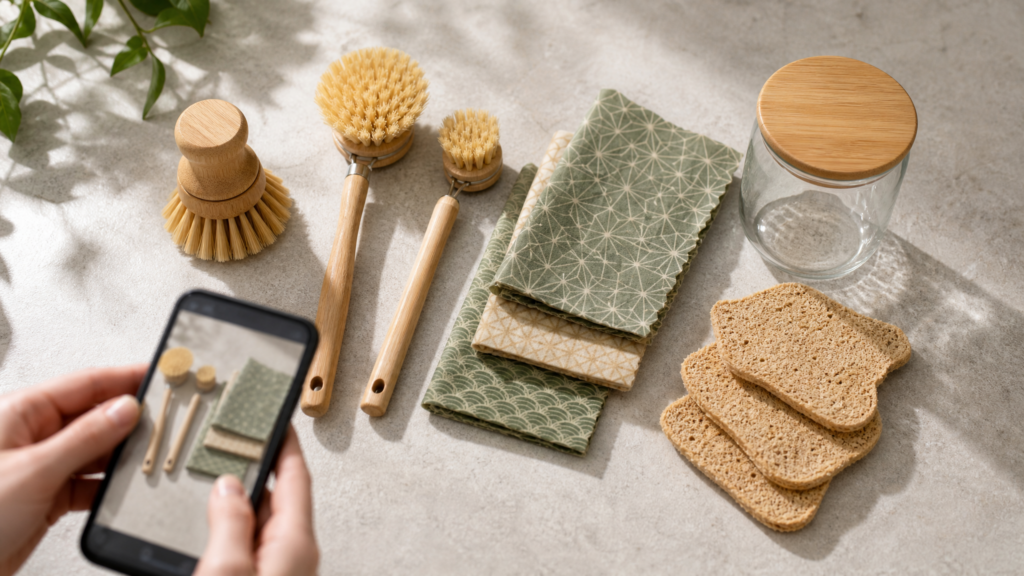
- The “Kitchen Swap” Kit: Silicone food bags, beeswax wraps, a wooden dish brush with replaceable heads, and a solid dish soap bar.
- The “Plastic-Free Bathroom” Bundle: Bamboo toothbrushes, solid shampoo/conditioner bars, a safety razor, and compostable dental floss.
- The “Natural Cleaning” Starter Kit: Concentrated cleaning tablets (just add water), glass spray bottles, and biodegradable sponges.
- The “Zero-Waste Laundry” Pack: Laundry detergent sheets or soap nuts, wool dryer balls, and a Guppyfriend bag (to catch microplastics).
2. Branding: Selling the “Story” Over the Product
In the eco-niche, your brand’s mission is your greatest asset.
- Transparency: In 2026, “Greenwashing” is easily spotted. Be honest about where your products are made and how they are shipped.
- Minimalist Aesthetic: Sustainable products should look beautiful on a countertop. Clean, earth-toned packaging made from recycled materials is the gold standard.
- Educational Content: Use your site to teach people why these swaps matter. (e.g., “How one solid dish soap bar replaces 3 plastic bottles”).
3. Operations: Refills and Recurring Revenue
Physical kits are great, but subscriptions are where the wealth is built in this niche.
- The Refill Model: Sell the “Starter Kit” once (bottles + first batch of soap), then offer a monthly subscription for the “Refill Tablets.”
- Lower Shipping Impact: Concentrated tablets or sheets are lightweight, reducing your shipping costs and the carbon footprint—a major selling point in 2026. (Check Subscription Box Guide).
4. Mobile Workflow: Managing Sustainability on the Go
You can source, market, and manage your ethical brand entirely from your smartphone.
- Supplier Relations: Work with eco-conscious dropshipping agents or direct ethical manufacturers.
- Inventory Tracking: Use your phone to manage stock levels, especially for high-turnover consumables like soaps and detergents. (See 10 Business Automation Apps).
5. Marketing: “Satisfying” Sustainability Content
Eco-friendly products are incredibly satisfying to watch on video.
- The “Pour” Video: Show someone filling a glass bottle with water and dropping in a cleaning tablet. These videos are viral-gold on TikTok and Reels.
- Before & After: Show an messy kitchen being cleaned with your natural products.
- Pinterest: Create infographics like “Top 10 Plastic Swaps for 2026.”
6. Sourcing & Ethics: Finding Real Partners
- Certifications: Look for B-Corp suppliers or those with cleared Fair Trade certifications.
- Shipment Neutrality: Use carbon-neutral shipping options where possible. Many Shopify apps now offer this at the checkout for a few cents.
7. Scaling: The “Green Home” Ecosystem
Once a customer trusts you for their kitchen, they will trust you for their bathroom, laundry, and garden.
- Seasonal Bundles: Create a “Spring Cleaning” kit or an “Eco-Friendly Christmas” bundle. (See Personalized Gifts Guide).
- Reward Programs: Give points for every plastic bottle saved, which can be redeemed for discounts on future refills.
Conclusion
Eco-Friendly Household Kits are more than an e-commerce trend; they are part of a necessary global shift. By being the bridge between “difficult transition” and “easy swap,” you build a brand that is both profitable and purposeful. Start with one area of the home, perfect the kit, and lead your community toward a zero-waste 2026.
Ready to learn more about setting up your business correctly? Read our guide on legal and tax basics for online businesses or explore more DIY Craft Kits for creative inspiration.