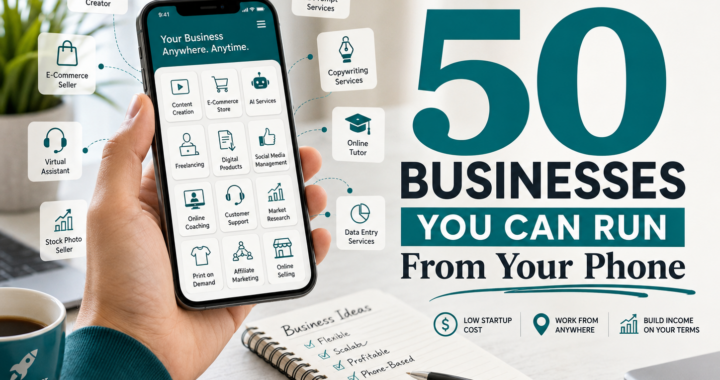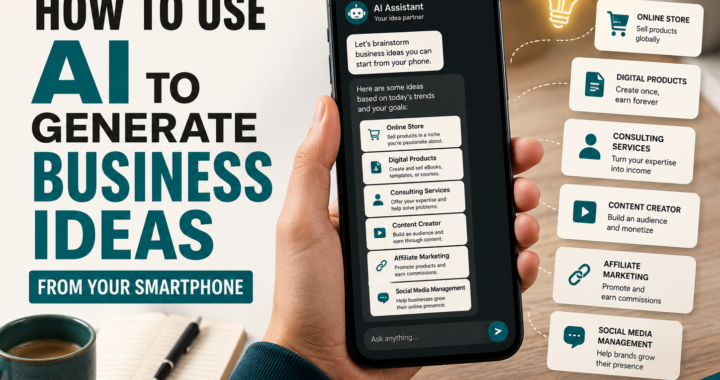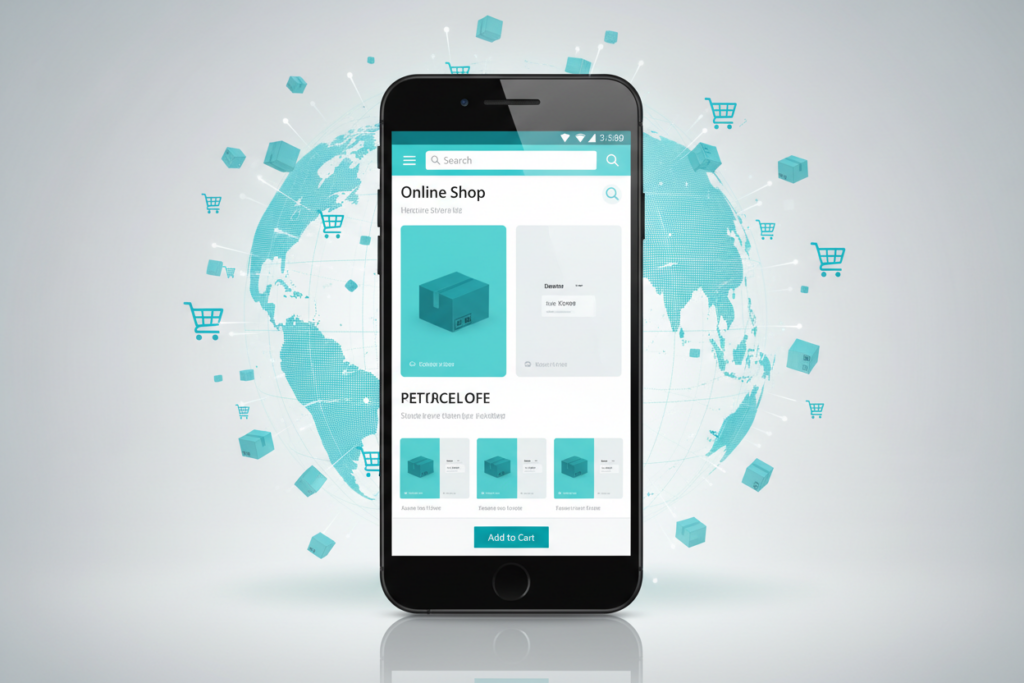
The days of needing a warehouse and a large computer to run a retail business are over. Welcome to the era of the “Pocket Storefront.”
In 2026, the entire e-commerce supply chain — from product sourcing to customer service — can be managed through a device that fits in your hand. Whether you are selling handmade crafts or running a high-volume dropshipping operation, your smartphone is your headquarters.
This guide will show you how to build a global e-commerce brand without ever touching a laptop.
Affiliate disclosure: This post contains affiliate links. If you make a purchase through one of these links, ProBusinessStrategy may earn a small commission at no extra cost to you. We only recommend tools we genuinely believe in.
Why E-commerce on Mobile is Taking Over
Mobile commerce (m-commerce) now accounts for the majority of online sales. By running your business on your phone, you are experiencing your store exactly the way your customers do.
If it’s easy for you to manage, it’s easy for them to buy.
The most popular mobile e-commerce models for 2026:
- Dropshipping: Selling products that are shipped directly from the supplier to the customer.
- Print-on-Demand: Custom designs on t-shirts, mugs, or posters that are only printed when an order is made.
- Direct-to-Consumer (DTC): Selling your own physical products, managed via 3PL (third-party logistics).
Step 1: Choosing Your Platform
You need an “engine” for your store. In 2026, these platforms have the best mobile apps for managing a business:
- Shopify: The gold standard. Their mobile app is so advanced you can literally build your entire store, edit themes, and handle orders from the palm of your hand.
- Etsy: Perfect for creative and handmade products. The Etsy Seller app is highly intuitive for mobile entrepreneurs.
- Stan Store: Best for “simpler” high-converting products and creators.
Step 2: Sourcing and Inventory Management
How do you find products from your phone?
In 2026, AI-integrated sourcing apps like AutoDS or AliExpress allow you to scan worldwide trends and “push” products to your store with one tap. You can communicate with suppliers via WhatsApp or WeChat directly, ensuring your supply chain stays moving while you are on the go.
👉 Pro Tip: Use the Best Free Tools Guide to find apps that help you research trending products for free.
Step 3: Marketing Your Storefront (The Social Engine)
An online store without traffic is just a ghost town. On a smartphone, your biggest marketing tools are Vertical Video and Direct Interaction.
- TikTok & Instagram Reels: Showcase your products in action. High-quality phone cameras are now better than most professional gear from five years ago.
- Influencer Outreach: Use your phone to find micro-influencers in your niche and send them a DM to collaborate. Learn more in our Mobile Lead Generation Guide.
Step 4: Customer Support and Logistics
Success in e-commerce depends on how you treat your customers.
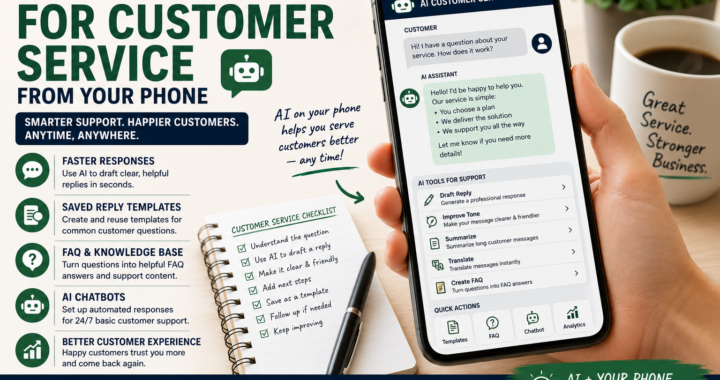
Use the Best Apps for Mobile Business to set up automated chat responses and tracking notifications. When an order comes in, you get a notification. You tap “Fulfill,” and the automated system handles the rest.
The Reality of Running a Store (Reality Check)
While it sounds easy to “click buttons and make money,” e-commerce has real challenges. Competition is high, and customer expectations in 2026 are extreme (they want fast shipping and instant replies).
To understand the balance between the hype and the hard work, read our Smartphone Business Reality Check.
Conclusion: Your Global Brand Awaits
The barrier to starting a retail empire has never been lower. You have the shop, the marketing team, and the logistics manager all inside your pocket.
Don’t wait for the “perfect” product. Start with one item, build one landing page, and see the first order come in.