The Step-by-Step Guide to Landing High-Paying Work in 2026
You have the skills. You have the mobile workspace set up. Now comes the biggest challenge for every entrepreneur: Where are the clients?
In 2026, the way we find and close clients has shifted. You no longer need to send hundreds of cold emails from a laptop. The most successful modern entrepreneurs are using the “Mobile Outreach” strategy—leveraging the speed and intimacy of smartphone communication to build trust and close deals.
If you are ready to turn your phone into a money-making machine, here is the exact strategy to land your first clients.
Affiliate disclosure: This post contains affiliate links. If you make a purchase through one of these links, ProBusinessStrategy may earn a small commission at no extra cost to you. We only recommend tools we genuinely believe in.
Phase 1: Optimize for “First Impressions”
Before you reach out to anyone, your “digital storefront” must be perfect. When a potential client clicks on your profile, they should see a professional.
The Bio Audit: Your bio should clearly state: “I help [Target Audience] achieve [Result] using [Your Service].”
The Portfolio Link: Even if you don’t have a website yet, use a mobile-friendly link (like a Notion page or a Linktree) showcasing your best work in Mobile Graphic Design or Virtual Assistant projects.
Content Proof: Post at least 3–5 pieces of content that demonstrate your expertise.
Phase 2: The “Service-First” Outreach Strategy
Ditch the “Hey, do you want to hire me?” messages. In 2026, clients respond to Value.
1. The Video Pitch (The Professional Edge)
Use your smartphone to record a short (30–60 second) personalized video message for a potential client. Point out one specific thing they are doing well and one thing you could improve for them (e.g., their Social Media engagement).
Why it works: It shows your face, builds instant trust, and proves you can use mobile tools effectively.
2. High-Intent Platform Hunting
Go to the platforms where clients are actively looking for help.
Pro Tip: Use the mobile apps for specialized freelance platforms and set up notifications so you are the first to respond to new job postings.
Phase 3: Networking in “Micro-Moments”
One of the biggest advantages of working from a phone is that you can network anywhere.
Join Niche Communities: Use your phone to participate in Slack channels, Discord servers, or Facebook groups related to your service.
Engagement as Outreach: Leave thoughtful, expert comments on the posts of people you want to work with. Over time, they will recognize your name as an authority.
Direct Messaging (DM): Use DMs to start conversations, not just to sell. Ask questions, offer a free resource, or congratulate them on a recent win.
Phase 4: Closing the Deal on Mobile
When a client shows interest, move fast.
Scheduled Calls: Use a mobile-friendly link (like Calendly) to let them book a quick 15-minute discovery call.
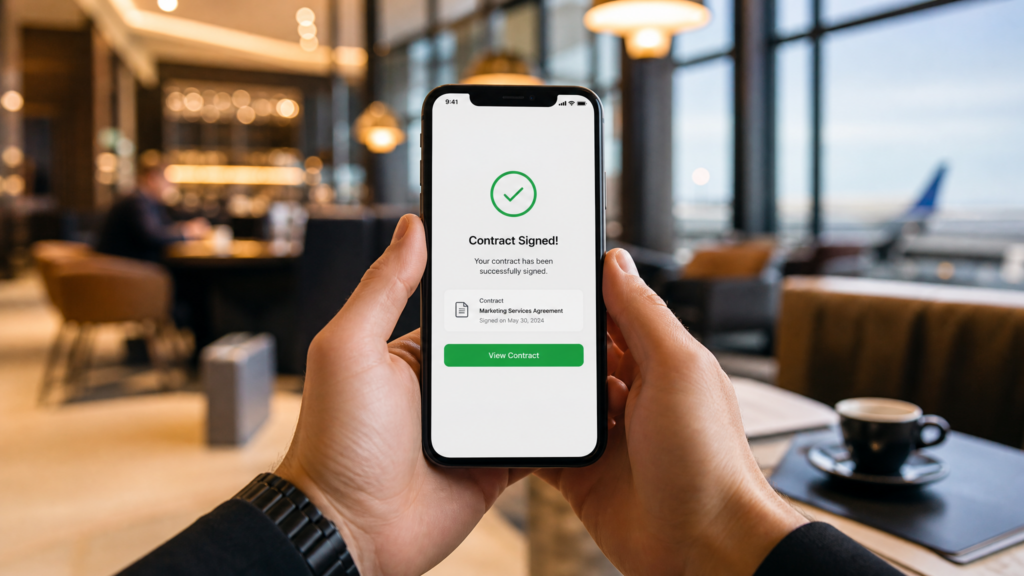
Mobile Invoicing: Use professional billing tools to send an invoice or a contract immediately after the call.
Professional Follow-up: If they don’t respond, send a polite follow-up 48 hours later.
Why Your “Phone Business” is Your Best Selling Point
When talking to clients, don’t hide the fact that you work from your phone—use it as a USP (Unique Selling Proposition).
Tell them: “Because I operate my entire business from my smartphone, I am more responsive, more agile, and I have lower overhead costs, which means higher value for you.”