In the last decade, the fitness world shifted from “big gyms” to “boutique studios.” Leading that charge was F45 Training.
Known for its high-intensity interval training (HIIT), blue-red-white branding, and celebrity backers (like Mark Wahlberg), F45 became the fastest-growing fitness franchise in the world. But as we enter 2026, the market for boutique fitness has matured. Investors now ask: is the F45 model still a scalable goldmine, or has the trend peaked?
This review breaks down the 2026 unit economics, the operational reality of running a class-based studio, and where F45 stands against its competitors.
Affiliate disclosure: This post contains affiliate links. If you make a purchase through one of these links, ProBusinessStrategy may earn a small commission at no extra cost to you. We only recommend tools we genuinely believe in.
The Core Concept: Efficiency and Community
F45 stands for “Functional 45″—a 45-minute workout designed to burn maximum calories through functional movements.
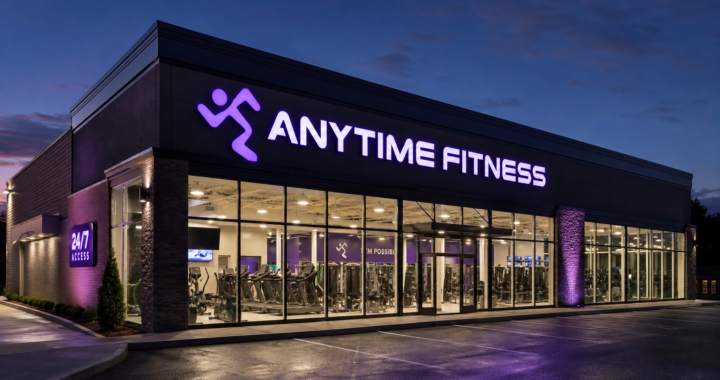
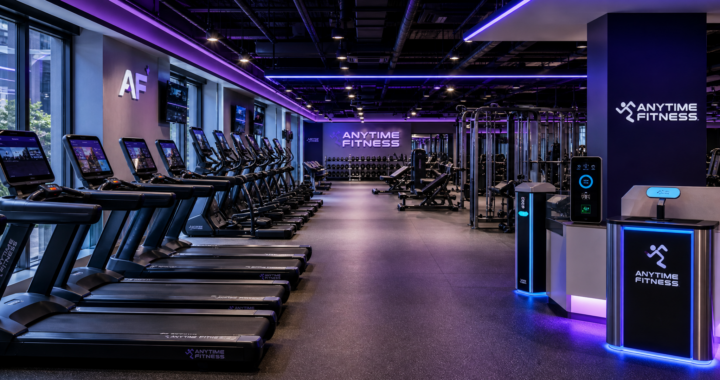
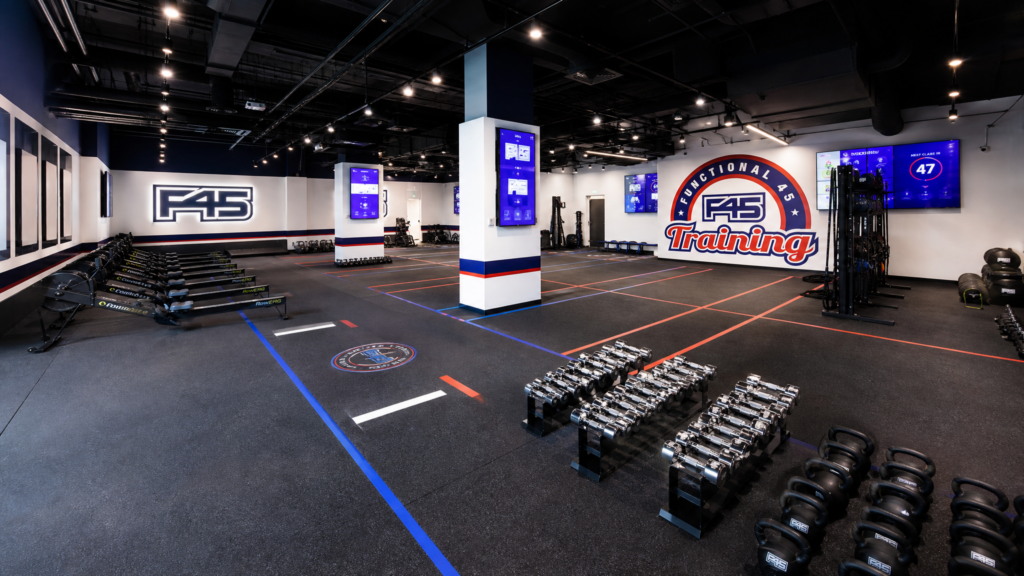
Unlike Anytime Fitness, which sells convenience, F45 sells community and results. There are no treadmills or mirrors. Instead, the studio is packed with dynamic equipment and screens that show the exercises. Every F45 studio in the world runs the exact same workout on the same day, creating a “global tribe” feel that drives extreme member retention.
1. Initial Investment and Capital Requirements (2026)
F45 is generally more expensive than a home-based service business, but often cheaper than a full-scale 24/7 gym because the footprint is smaller (usually 1,500 – 2,500 sq. ft.).
The Cost Breakdown:
Franchise Fee: $52,000.
Total Initial Investment: $350,000 – $560,000.
Liquid Capital Required: $120,000+.
Net Worth Required: $400,000+.
Key Factor: Rent is your biggest variable. Because F45 doesn’t need “retail-grade” storefronts (people will find you in a warehouse or second-floor space as long as the community is strong), you can sometimes save significantly on real estate.
2. The Revenue Model: High Yield Per Square Foot
F45 makes money through high-priced premium memberships. While a standard gym might charge $40/month, an F45 studio often charges $150–$250 per month.
Income Streams:
Unlimited Memberships: The primary revenue driver.
F45 Challenges: 8-week nutrition and training programs that often have an additional buy-in fee.
Merchandise: Selling F45-branded gear (Lionheart heart rate monitors, apparel).
Corporate Wellness: Selling bulk memberships to local businesses.
3. Royalty Fees and Technology Costs
F45 uses a combined royalty and software fee structure:
Monthly Royalty: 7% of gross sales (or a monthly minimum, usually around $2,500).
Monthly Tech/Software Fee: ~$250–$400 for the proprietary “F45 TV” system and app.
4. Pros and Cons of F45 Training in 2026
Pros:
Plug-and-Play Content: You don’t have to design workouts. The HQ pushes new workouts to your screens every day.
High Retention: The group dynamic creates “sticky” members who stay longer than solo gym-goers.
Small Footprint: Easier to manage and clean than a 20,000 sq. ft. club.
Scalability: Many owners run 3–5 studios because the systems are so standardized.
Cons:
Labor Intensive: You need high-energy trainers. If your trainers are bad, your gym dies.
Peak Hour Stress: Most revenue is made between 6:00–9:00 AM and 5:00–8:00 PM. Managing capacity during these times is critical.
Competition: Every city now has “OrangeTheory,” “CrossFit,” and local HIIT studios fighting for the same members.
5. Is F45 Right for You? (The Selection Framework)
If you follow our Franchise Selection Framework, F45 falls into the Expert-Led / High-Touch category.
You cannot run an F45 “absentee” from day one. You—or a very high-quality manager—must be there to build the culture. If you love fitness and people, it’s a great model. If you just want a passive investment, Anytime Fitness or even The Maids might be better.
Final Verdict: The 2026 Outlook
F45 Training remains a powerhouse in the boutique fitness space. In 2026, the focus has shifted from “rapid growth” to “operational excellence.” If you can secure a territory with a high-income demographic and low competition, the margins are among the highest in the fitness industry.