Personalized Gifts: How to Build a Profitable Custom Product Business from Your Phone in 2026
Personalized gifts are one of the most emotionally powerful product categories in e-commerce.
People do not buy personalized gifts because they need another mug, necklace, blanket, or phone case. They buy them because they want to create a moment. They want to make someone feel seen, remembered, celebrated, or loved.
That emotional layer is what makes personalized gifts such a strong business opportunity in 2026.
In a world full of generic products, personalization creates meaning. A simple product becomes more valuable when it includes a name, date, photo, inside joke, location, pet portrait, family illustration, birth month flower, zodiac sign, wedding date, or custom message.
And the best part?
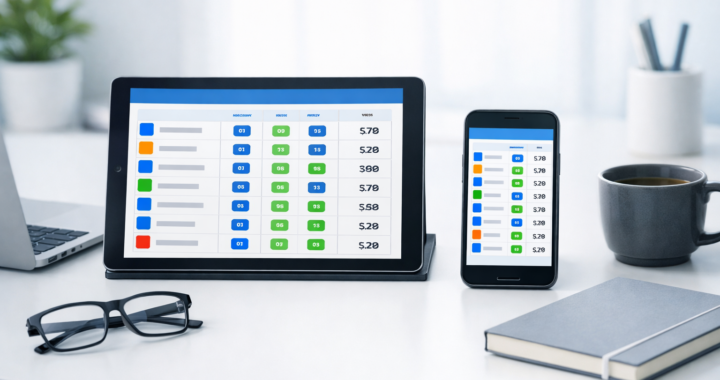
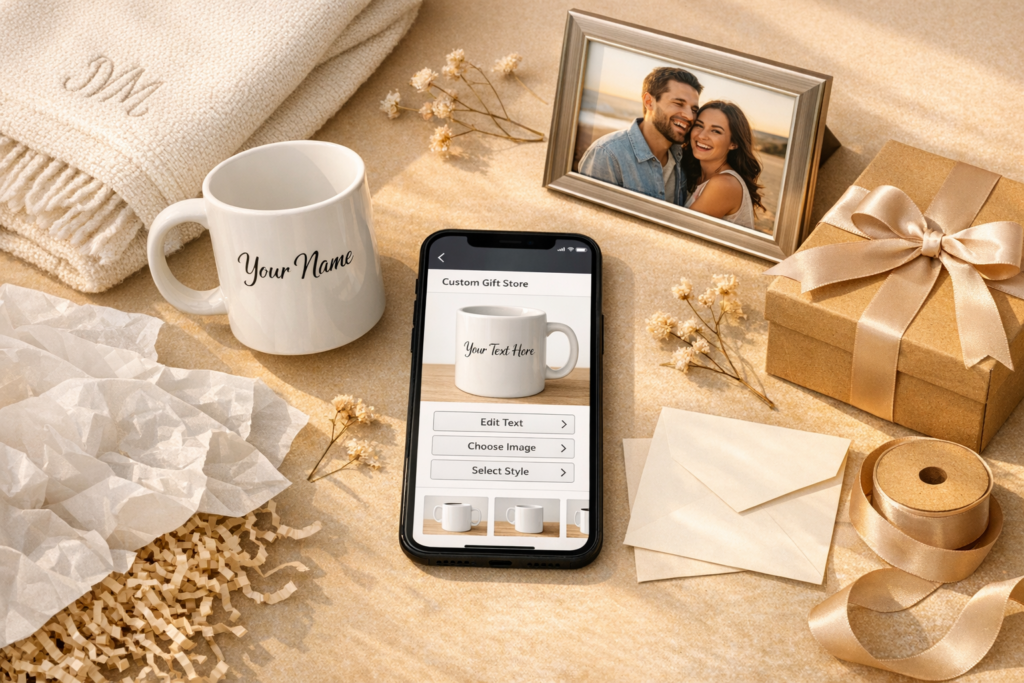
You do not need a warehouse, expensive equipment, or a professional design studio to start. With mobile design apps, print-on-demand platforms, and automated e-commerce systems, you can build and manage a personalized gifts business directly from your smartphone.
This guide will walk you through how to choose your niche, create products, set up your store, automate fulfillment, market your gifts, and avoid the biggest mistakes beginners make.
Affiliate disclosure: This guide may contain affiliate links. If you purchase through them, ProBusinessStrategy may earn a commission at no extra cost to you. We only recommend tools we believe are genuinely useful for beginners and serious builders.
Why Personalized Gifts Are So Powerful in 2026
Personalized products are not new. People have been engraving names on jewelry and printing photos on mugs for decades.
But in 2026, the market is different.
Consumers now expect products to feel more personal, more meaningful, and more aligned with their identity. At the same time, technology has made personalization much easier to offer.
You can now create custom products without owning machines, managing stock, or hiring a full production team.
The emotional buying trigger
Most e-commerce products compete on price, features, or convenience.
Personalized gifts compete on emotion.
That matters because emotional purchases often have higher perceived value. Someone may hesitate to spend $35 on a generic mug. But if that mug includes a photo of their dog, their child’s drawing, or a quote from their wedding vows, the product feels priceless.
Personalized gifts are commonly bought for:
- birthdays
- weddings
- anniversaries
- Mother’s Day
- Father’s Day
- Valentine’s Day
- Christmas
- graduations
- housewarmings
- baby showers
- pet memorials
- retirement gifts
- friendship gifts
- long-distance relationship gifts
This gives you multiple selling seasons throughout the year.
Why this business works well from a phone
A personalized gifts business is especially suitable for mobile entrepreneurs because most of the work can be done in apps.
You can use your phone to:
- create product mockups
- customize customer designs
- edit photos
- respond to buyers
- approve orders
- upload products
- manage Shopify or Etsy listings
- post social media videos
- track sales
- handle customer service
If you are already learning mobile-first business models, this connects naturally with our guide on starting a print-on-demand business and our guide to business automation apps.
Choosing the Right Personalized Gifts Niche
The biggest mistake beginners make is trying to sell every type of personalized gift to everyone.
That approach usually creates a messy store with no clear identity.
Instead, choose a focused niche.
A niche gives your store a personality. It makes your marketing easier. It helps customers understand who your products are for.
Strong personalized gift niches for 2026
Here are profitable niches to consider.
1. Pet owner gifts
Pet owners are highly emotional buyers. Personalized pet gifts can include:
- custom pet portraits
- dog mom mugs
- cat dad shirts
- pet memorial frames
- personalized pet blankets
- pet name ornaments
- illustrated phone cases
- pet birthday bandanas
This niche works because people often see pets as family members.
2. Couples and relationship gifts
This category performs well around Valentine’s Day, anniversaries, weddings, and Christmas.
Product ideas include:
- custom couple portraits
- star map posters
- wedding date blankets
- “where we met” maps
- personalized song lyric prints
- matching mugs
- engraved-style jewelry
- long-distance relationship gifts
The best products tell a story.
3. Family and parent gifts
Family personalization is evergreen.
Ideas include:
- family name signs
- custom family illustrations
- “grandma’s garden” birth flower prints
- children’s name blankets
- personalized recipe boards
- family tree wall art
- Mother’s Day mugs
- Father’s Day shirts
This niche is powerful because buyers often purchase for someone else.
4. Baby and kids gifts
Parents and relatives love personalized products for children.
Ideas include:
- name blankets
- birth stat posters
- nursery wall art
- custom storybooks
- first Christmas ornaments
- milestone cards
- personalized backpacks
- alphabet name prints
This niche benefits from gift-giving occasions throughout the year.
5. Memorial and remembrance gifts
This is a sensitive but meaningful niche.
Products may include:
- memorial photo frames
- custom quote prints
- pet loss keepsakes
- remembrance candles
- angel wing ornaments
- memorial blankets
- handwriting keepsakes
If you choose this niche, your tone must be respectful, gentle, and emotionally intelligent.
6. Hobby-based gifts
Hobby niches allow you to speak directly to passionate communities.
Examples:
- gardeners
- book lovers
- gamers
- runners
- teachers
- nurses
- coffee lovers
- travelers
- music lovers
- entrepreneurs
A personalized gardening mug for “Grandma Linda’s Garden” is more specific and more sellable than a generic garden mug.
Choosing the Best Product Types
The product you choose matters because not every personalized item is equally profitable or easy to fulfill.
Beginners should start with products that are:
- easy to customize
- easy to mock up
- relatively low risk
- available through print-on-demand
- giftable
- not too fragile
- not too complicated to ship
Beginner-friendly personalized products
Good starter products include:
- mugs
- posters
- framed prints
- blankets
- pillows
- phone cases
- tote bags
- ornaments
- greeting cards
- notebooks
- stickers
- t-shirts
- hoodies
These are easier to design and fulfill than complex custom jewelry or handmade items.
High-margin products
Some personalized products can command higher prices because they feel premium.
Examples:
- custom illustrated portraits
- embroidered apparel
- framed wall art
- premium blankets
- personalized gift boxes
- custom nursery sets
- wedding keepsakes
- corporate personalized gifts
If you want to build a stronger brand, focus on fewer products with higher emotional value instead of hundreds of cheap items.
How to Create Personalized Designs from Your Phone
You do not need to be a professional graphic designer to start, but your products must look clean, readable, and gift-worthy.
Use Canva for layouts
Canva Mobile is one of the easiest tools for creating personalized product designs.
You can use it to create:
- name-based designs
- quote layouts
- wall art
- photo collages
- mockups
- product graphics
- social media posts
- thank-you cards
If you already create digital products, this connects well with our guide on selling Canva templates.
Use customer photos carefully
If customers upload photos, you need a simple process.
Ask for:
- high-resolution images
- clear face visibility
- good lighting
- no heavy filters
- no screenshots if possible
Bad source photos often lead to bad final products.
Create a short upload instruction section on your product page so customers know what kind of photo works best.
Build reusable templates
Templates save time.
Instead of designing every order from scratch, create base layouts where you only change:
- name
- date
- photo
- message
- colors
- family members
- pet names
- location
This makes your business easier to scale.
Use AI carefully
AI tools can help create illustrations, pet portraits, background styles, or design ideas.
But be careful with:
- copyright
- strange facial details
- inaccurate pet features
- unrealistic hands
- low-resolution outputs
- designs that look too generic
AI can speed up your creative process, but you should still review every design before sending it to production.
Setting Up Your Store
You can sell personalized gifts through several channels.
The best option depends on your goals.
Option 1: Etsy
Etsy is a strong place to start because shoppers already search there for personalized gifts.
Advantages:
- built-in marketplace traffic
- customers expect custom products
- easy to test products
- strong gift-buying audience
Disadvantages:
- high competition
- marketplace fees
- less control over branding
- risk of copycats
Option 2: Shopify
Shopify gives you more control and is better if you want to build a long-term brand.
Advantages:
- full brand control
- better email marketing
- custom product pages
- easier to scale
- better long-term asset
Disadvantages:
- you must drive your own traffic
- more setup work
- monthly cost
If you are serious about building a brand instead of only testing a side hustle, Shopify is usually the stronger long-term platform.
Option 3: Both Etsy and Shopify
Many sellers start on Etsy to validate products, then build a Shopify store once they know what sells.
This can work well if you stay organized.
You can use Etsy for discovery and Shopify for brand growth.
Fulfillment Options
There are three main ways to fulfill personalized gifts.
1. Print-on-demand
Print-on-demand is the easiest model for beginners.
You upload your design, and your fulfillment partner prints and ships the product after a customer orders.
This works well for:
- mugs
- blankets
- posters
- apparel
- phone cases
- pillows
- ornaments
- tote bags
This connects naturally with our full Print-on-Demand guide.
2. Handmade production
You create or customize items yourself.
This can work for:
- handmade jewelry
- engraved items
- resin art
- custom gift boxes
- hand-painted products
The advantage is higher uniqueness. The downside is lower scalability.
3. Hybrid model
A hybrid model combines both.
For example:
- POD for mugs and blankets
- handmade packaging for premium orders
- custom digital design work before fulfillment
- personalized gift boxes assembled manually
This gives you flexibility but requires better operations.
Pricing Personalized Gifts
Pricing is where many beginners go wrong.
Do not price only based on product cost.
You must also consider:
- design time
- customer communication
- revisions
- platform fees
- fulfillment cost
- shipping
- refund risk
- advertising
- profit margin
Simple pricing formula
Use this basic formula:
Selling Price=Product Cost+Shipping+Fees+Design Time+ProfitSelling\ Price = Product\ Cost + Shipping + Fees + Design\ Time + ProfitSelling Price=Product Cost+Shipping+Fees+Design Time+Profit
For example:
- POD blanket cost: $28
- Shipping: $6
- Platform/payment fees: $4
- Design/customization time: $10
- Desired profit: $20
Your selling price should be around:
28+6+4+10+20=6828 + 6 + 4 + 10 + 20 = 6828+6+4+10+20=68
So that product should sell for around $65–$75.
Do not underprice emotional products
Personalized gifts are not commodities.
If your product helps someone create a meaningful moment, you can charge more than a generic version.
A custom pet memorial blanket is not the same as a plain blanket.
A personalized wedding vow print is not the same as a generic poster.
Price accordingly.
Product Page Optimization
Your product page must remove uncertainty.
Customers need to understand exactly:
- what they will receive
- how personalization works
- what information they must provide
- how long production takes
- whether they get a proof
- what happens if they make a typo
- what file/photo quality is required
- whether returns are accepted
What every personalized product page needs
Include:
- product photos/mockups
- personalization instructions
- delivery timeline
- sizing or dimensions
- material details
- customization examples
- FAQ section
- clear return policy
- emotional benefit statement
Example product page explanation
You could write something like:
“Add your pet’s name, favorite photo, and optional short message. We will create a custom illustrated design and print it on a soft premium blanket. Please upload a clear, well-lit image for the best result. Personalized items are made to order, so please double-check spelling before checkout.”
That kind of clarity reduces customer service problems.
Marketing Personalized Gifts
Personalized gifts sell best when customers can imagine the reaction of the recipient.
Your marketing should focus on moments, not just products.
Best content angles
Use content themes like:
- “Gift ideas for the person who has everything”
- “What I made for my dog-loving mom”
- “Personalized gifts that actually feel meaningful”
- “Wedding gifts that do not feel generic”
- “Mother’s Day gifts under $50”
- “Custom pet memorial gifts for someone grieving”
- “Anniversary gift idea based on where you met”
TikTok and Instagram Reels
Short-form video works extremely well for personalized products.
Content ideas:
- before-and-after custom design
- packing an order
- customer reaction
- “design with me”
- gift guide video
- top 5 gifts for dog moms
- behind-the-scenes personalization
- holiday countdown
Pinterest is powerful for gifts because users search with buying intent.
Create pins for:
- Christmas gift ideas
- personalized wedding gifts
- pet owner gifts
- baby shower gifts
- Mother’s Day gifts
- anniversary gifts
- custom nursery decor
Pinterest traffic can continue long after you post.
Seasonal Sales Calendar
Personalized gifts are heavily seasonal.
Plan ahead.
Major sales seasons
- January: Valentine’s Day preparation
- February: Valentine’s Day
- March/April: Mother’s Day preparation
- May/June: Father’s Day and graduation gifts
- Summer: weddings and travel gifts
- August/September: back-to-school personalization
- October: Halloween and early Christmas campaigns
- November/December: Black Friday, Cyber Monday, Christmas
Do not wait until December to launch Christmas products.
Personalized products need production time, so customers shop earlier.
Customer Service and Revisions
Personalized products create more customer service than standard products.
That is normal.
You need systems.
Set clear revision rules
Decide:
- Do customers get a proof?
- How many revisions are included?
- What counts as a revision?
- What happens if the customer responds late?
- Can orders be canceled after production starts?
A simple policy might be:
“One free proof is included. One minor revision is included before production. Once the design is approved and sent to print, the order cannot be changed or canceled.”
Prevent typo problems
Always tell customers to double-check names, dates, and messages.
For sensitive products like memorial gifts, mistakes can be emotionally painful, so your process must be careful.
Automation and Scaling
Once orders increase, personalization can become time-consuming.
Automation helps.
You can automate:
- order confirmation emails
- personalization intake forms
- proof delivery
- shipping notifications
- review requests
- abandoned cart emails
- holiday campaigns
- customer support templates
For a broader tool stack, see our guide to business automation apps.
Use templates and saved replies
Create saved replies for common questions:
- shipping times
- photo quality
- proof approval
- revisions
- returns
- order changes
- delivery estimates
This saves hours every week.
Legal and Copyright Considerations
Personalized does not mean you can use anything.
Avoid:
- Disney characters
- sports team logos
- celebrity names/images
- famous song lyrics
- trademarked phrases
- brand logos
- copyrighted artwork
Also be careful with customer-uploaded images. Make sure your terms state that the customer must have the rights to use the photo they upload.
For more, see our guide on legal and tax basics for phone-based businesses.
Common Mistakes to Avoid
Mistake 1: Offering too many options
Too many personalization choices can overwhelm customers and slow you down.
Start simple.
Mistake 2: Weak mockups
Personalized gifts need strong visuals. If your mockup looks cheap, customers assume the product is cheap.
Mistake 3: No clear production timeline
Customers buying gifts care about delivery dates. Be upfront.
Mistake 4: Ignoring holidays
Holiday planning is essential. Personalized gifts often need longer lead times.
Mistake 5: Copying competitors
Use competitors for research, not copying. Build your own style, voice, and product angle.
Example Business Plan
Here is a simple beginner plan.
Month 1: Research and setup
- choose one niche
- create 10 product designs
- build product templates
- choose Etsy or Shopify
- create product mockups
- write product descriptions
- order samples
Month 2: Launch and test
- publish 10–20 listings
- post daily short-form content
- create Pinterest pins
- test 2–3 price points
- collect first reviews
- improve product photos
Month 3: Optimize and scale
- double down on bestsellers
- add seasonal variations
- create email campaigns
- improve packaging experience
- test paid ads if organic content performs
- add bundles or premium versions
Final Thoughts
A personalized gifts business is one of the most beginner-friendly and emotionally powerful e-commerce opportunities in 2026.
You are not just selling products. You are helping people celebrate birthdays, remember loved ones, honor relationships, welcome babies, thank parents, and create moments that matter.
That is why this niche can support strong margins, repeat seasonal traffic, and loyal customers.
Start with one focused audience. Build a small set of beautiful customizable products. Use mobile tools to create and manage your designs. Then improve your store based on real customer behavior.
You do not need to launch with hundreds of products.
You need one meaningful product that the right person wants to give to someone they love.
From there, you can build a real personalized gifts brand from your phone.
Suggested next reads