Running a business from your phone feels like freedom, but the tax man doesn’t care if you work from a beach or a high-rise office. One of the biggest mistakes mobile entrepreneurs make is ignoring the “boring” stuff until it’s too late.
In 2026, being “mobile” is no excuse for being unprofessional. In fact, digital governments and mobile-first banking have made it easier than ever to be 100% compliant without ever visiting a physical office or printing a single piece of paper.
Here is your guide to staying legal and tax-ready from your pocket.
Affiliate disclosure: This post contains affiliate links. If you make a purchase through one of these links, ProBusinessStrategy may earn a small commission at no extra cost to you. We only recommend tools we genuinely believe in.
1. Professional Registration (The Foundation)
Even if you are starting small, you need a legal structure. Depending on your country, this might be a Sole Proprietorship or a Limited Liability company.
Mobile Workflow:
Most countries now have digital business registries. You can often complete your registration in under 30 minutes via your phone’s browser. Once you have your business ID (like a KVK in NL or EIN in the US), you can officially open your Business Banking Account.
2. Mobile-First Business Banking
Stop using your personal bank account for your business. It is a nightmare for taxes. In 2026, you need a bank that is built for the phone.
Top Recommendations:
- Revolut Business / Wise: Perfect for the Mobile Entrepreneur because they handle multiple currencies and physical/virtual cards entirely through an app.
- Why it matters: Every time you buy a Budget Phone for Business, you use your business card, and the app automatically tags it as a tax-deductible expense.
3. Expense Tracking: No More Shoeboxes of Receipts
Gone are the days of saving paper receipts. If it’s not digital, it doesn’t exist.
The Strategy:
Use an app like QuickBooks Mobile or Wave. Every time you pay for a tool like Kittl or Jasper, the transaction appears in your app. Take a photo of physical receipts immediately and let the AI categorize it.
This is part of your Mobile Automation Strategy—spending 10 seconds a day on expense tracking saves you 10 hours at the end of the year.
4. Digital Contracts and Signatures
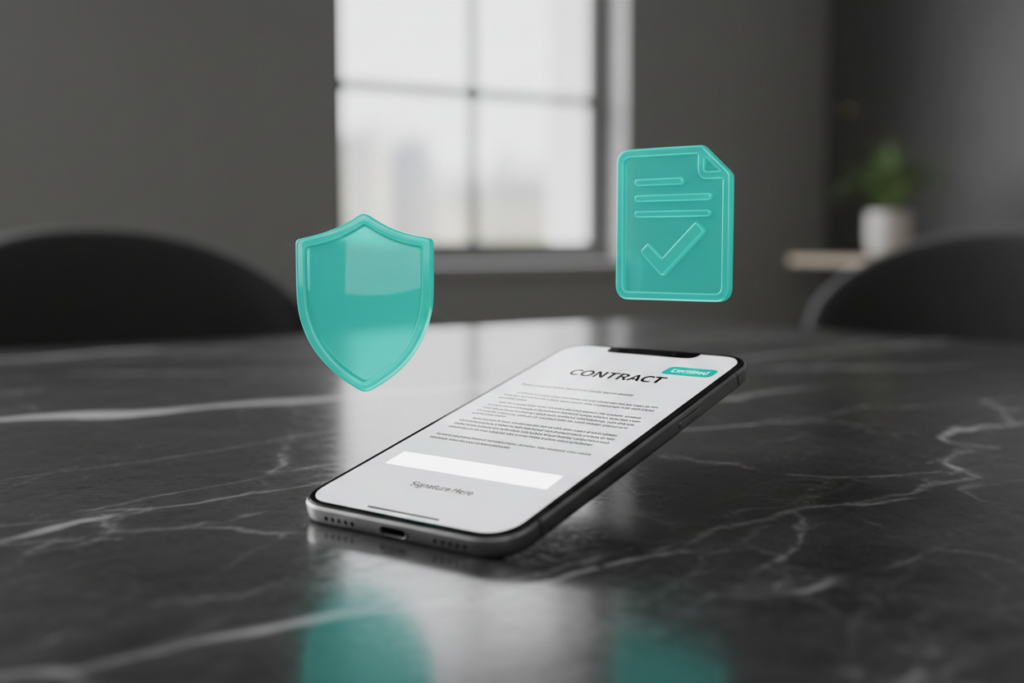
In 2026, a “handshake deal” isn’t enough, and a paper contract is an anchor. You need to sign and send documents from your screen.
Tools for the Job:
- DocuSign / Adobe Fill & Sign: You can sign contracts with your finger or a stylus right on your smartphone.
- Why it’s a Pro Move: Sending a professional, digitally-signed contract to a client for your Lead Gen Business shows that you are a serious professional, despite not having a “real” office.
5. Setting Aside Money for Taxes (The 30% Rule)
The biggest trap for new entrepreneurs is spending every cent they earn.
The Mobile Habit:
Every time a payment hits your Mobile-Native Bank, immediately move 30% to a separate “Tax” vault in your banking app. If you don’t see it, you won’t spend it. This habit separates the pros from the amateurs in our Reality Check Guide.
6. Hiring Professional Help (Fiverr & Beyond)
As you grow, you will eventually outgrow your own knowledge. Use Fiverr to find certified mobile-savvy accountants who can review your digital books once a quarter. It is a small investment that prevents huge fines.
Conclusion: Compliance is Freedom
It might not be as exciting as Going Viral on TikTok, but having your legal and tax house in order gives you the peace of mind to focus on growth. Spend one weekend setting up these systems, and you’ll never have to worry about the “boring stuff” again.
Have you opened a dedicated business bank account yet? Let us know in the comments!