You’ve done the work. The client is happy. Now comes the best part: getting paid.
However, for many new entrepreneurs, the invoicing process is where they feel the most unprofessional. Sending a “Venmo me” text or a messy Word document not only looks bad—it can also lead to legal and tax headaches down the road.
In 2026, professional invoicing is about more than just a dollar amount. It’s about clarity, legal compliance, and establishing authority.
Here is the essential guide to invoicing correctly from day one.
Affiliate disclosure: This post contains affiliate links. If you make a purchase through one of these links, ProBusinessStrategy may earn a small commission at no extra cost to you. We only recommend tools we genuinely believe in.
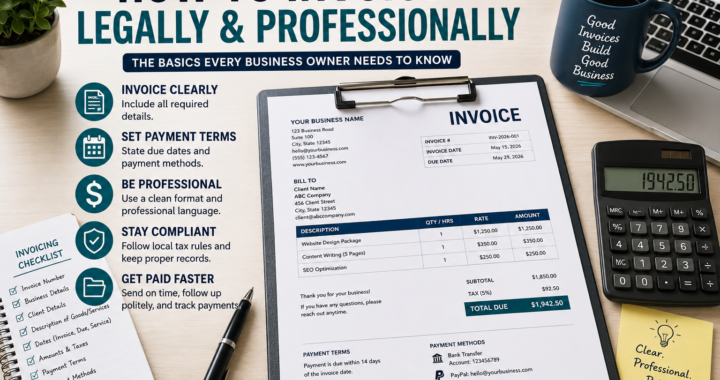
1. What a Professional Invoice MUST Include
Across most global jurisdictions, a legal invoice needs specific elements to be valid for tax purposes. If you miss these, your client might not be able to pay you, or your bookkeeping will be a nightmare during tax season.
The Essential Checklist:
The word “Invoice” (clearly displayed at the top).
Your Business Info: Legal name, address, and contact details.
Client Info: Their legal name and address.
Unique Invoice Number: A sequential number (e.g., 2026-001) to track payments.
The Date: When the invoice was issued.
Description of Services: Be specific (e.g., “5 Instagram Captions” instead of “Writing”).
Amount Due: The total price + any applicable taxes.
Payment Terms: When is the money due? (e.g., “Net 15” or “Due on receipt”).
2. Choosing the Right Invoicing Tool
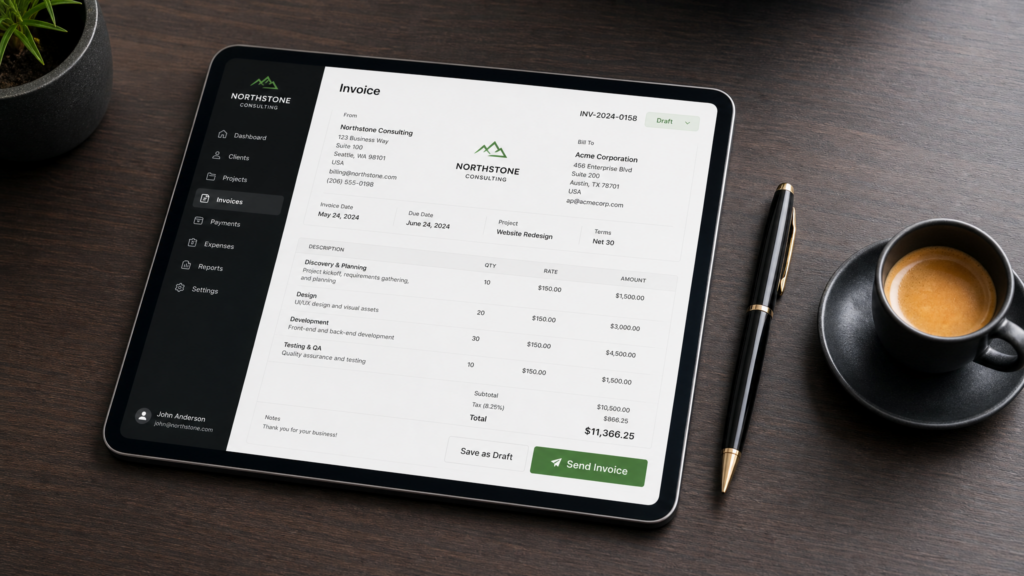
Gone are the days of manually creating PDFs. You need a system that tracks who has paid and who is late.
💼 Professional Option: FreshBooks (Highly Recommended)
FreshBooks is designed specifically for small business owners. It allows you to create professional invoices in seconds, track your time, and see exactly when a client has opened the invoice.
The Benefit: It automatically sends “Late Payment Reminders” so you don’t have to have awkward conversations with clients.
📱 Mobile Option: PayPal Business or Stripe
If you are doing most of your work from your smartphone, these apps are essential. They allow you to generate an invoice and send a clickable payment link via email or WhatsApp instantly.
3. Setting Clear Payment Terms
Don’t leave people guessing.
Milestone Payments: For larger projects, ask for 50% upfront. This ensures the client is committed.
Early Bird Discounts: (Optional) offer a 2% discount if they pay within 48 hours.
Late Fees: Clearly state in your contracts that late payments will incur a small fee. This encourages clients to prioritize your invoice.
4. Keeping Your Records Organized
An invoice is a legal document. You must keep copies of all issued invoices for at least 5 to 7 years (depending on your country’s laws).
Using a cloud-based management system means you don’t have to worry about losing paper files. Everything is backed up and ready for your accountant or tax return.
Final Thoughts: The Final Step of Professionalism
Your invoice is often the last interaction a client has with you for a specific project. If it’s clean, professional, and easy to pay, you leave a lasting impression of quality.
Treat your invoicing with as much care as you treat your actual work, and the money will follow.
🔗 Related Business Basics: